
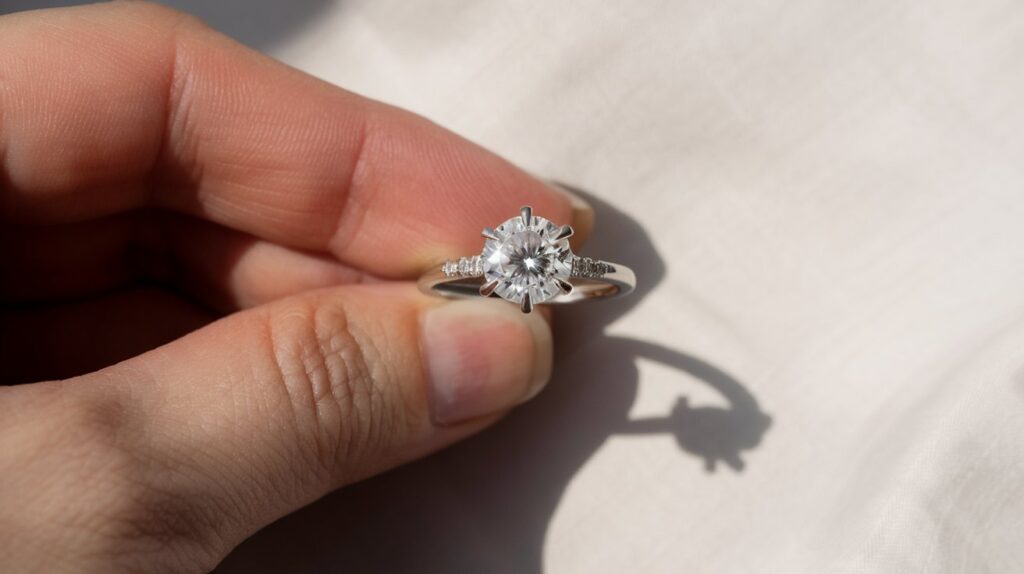
Choosing an engagement ring is one of the most significant purchases you’ll make, representing your commitment and love. This comprehensive guide will walk you through every essential aspect of how to choose an engagement ring that perfectly reflects your partner’s style while staying within your budget. From understanding the four Cs of diamonds to navigating modern trends and ethical sourcing, you’ll gain the confidence to make an informed decision that will create lasting memories.
Understanding Your Budget and Financial Planning
Before diving into styles and stones, establishing a realistic budget for your engagement ring is crucial. The traditional three-month salary rule has evolved significantly in 2026, with many couples opting for more practical approaches. Current data shows that American couples spend an average of $6,000 on engagement rings, though this varies greatly by region and income level.
Consider creating a dedicated savings plan 6-12 months before your proposal. Factor in additional costs like insurance, resizing, and potential maintenance. Many jewelers now offer flexible payment plans and financing options, making it easier to manage this important investment without compromising your financial stability.
Diamond Basics: The Four Cs Explained
Understanding the four Cs of diamonds – Cut, Color, Clarity, and Carat weight – is fundamental to choosing the right stone. These factors directly impact both the ring’s appearance and price, making them essential knowledge for any engagement ring shopper.
Cut Quality and Light Performance
The diamond cut quality is the most important factor affecting a stone’s brilliance and sparkle. Excellent cut diamonds reflect light optimally, creating maximum fire and scintillation. Popular cuts in 2026 include round brilliant, oval, cushion, and emerald cuts, each offering unique aesthetic appeal and light performance characteristics.
Color Grading and Visual Impact
Diamond color is graded from D (colorless) to Z (light yellow), with color grades G-I offering excellent value for most shoppers. These near-colorless grades appear white to the naked eye while costing significantly less than D-F grades. Consider your setting metal when choosing color, as yellow gold can mask slight color tints effectively.
Ring Settings and Style Considerations
The engagement ring setting dramatically impacts both the ring’s appearance and the stone’s security. Popular 2026 settings include solitaire, halo, three-stone, and vintage-inspired designs. Each setting style offers different advantages in terms of stone protection, light reflection, and overall aesthetic appeal.
Consider your partner’s lifestyle when selecting a setting. Active individuals may prefer lower-profile settings with secure prong arrangements, while those who enjoy statement jewelry might gravitate toward elaborate halo or vintage designs. The setting metal choice between white gold, yellow gold, rose gold, and platinum also significantly impacts the ring’s final appearance.
Determining Ring Size and Fit
Accurate ring sizing is crucial for comfort and security. Professional sizing at a jewelry store provides the most reliable measurements, though several at-home methods can help you estimate size secretly. Consider that finger sizes fluctuate throughout the day and seasons, with fingers typically being largest in the evening and during warmer weather.
Most jewelers include one free resizing within the first year, but it’s always better to get the size right initially. If you’re unsure, slightly larger is generally safer than too small, as enlarging rings is often easier than reducing them, especially for complex settings or eternity bands.
Alternative Stones and Modern Trends
While diamonds remain the most popular choice, alternative engagement ring stones are gaining significant traction in 2026. Sapphires, emeralds, and lab-grown diamonds offer unique aesthetic and ethical advantages. Colored stones provide personalization opportunities and often cost less than comparable diamonds.
Lab-Grown vs Natural Diamonds
Lab-grown diamonds offer identical physical and chemical properties to mined diamonds at 30-40% lower costs. These stones are becoming increasingly popular among environmentally conscious couples and those seeking maximum value. Both options require proper certification from reputable grading institutes like GIA or AGS.
Colored Gemstone Options
Sapphires, particularly in blue and pink varieties, offer exceptional durability and vibrant color options. Emeralds and rubies provide stunning alternatives but require more careful maintenance due to their relative softness. Consider your partner’s birth stone or favorite colors when exploring these alternatives.
Ethical Sourcing and Certification
Modern consumers increasingly prioritize ethical engagement ring sourcing. Look for Kimberley Process certification for natural diamonds and inquire about the jeweler’s sourcing practices. Many retailers now provide detailed origin information and support responsible mining initiatives.
Certification from reputable organizations like GIA, AGS, or Gübelin provides quality assurance and accurate grading information. These certificates serve as proof of authenticity and help establish fair market value for insurance purposes. Always request certification for any significant stone purchase.
Shopping Strategies and Vendor Selection
Successful engagement ring shopping requires researching reputable vendors and understanding their policies. Compare online retailers with local jewelers, considering factors like selection, pricing, customer service, and after-sale support. Many couples find value in combining online research with in-person viewing and purchasing.
Read customer reviews, verify business credentials, and understand return policies before making any commitments. Established retailers often provide better warranties, sizing services, and long-term support, making them worthwhile even if initial costs are slightly higher than unknown vendors.
Insurance and Protection Planning
Protecting your investment through proper engagement ring insurance is essential. Most homeowner’s or renter’s insurance policies provide limited coverage for jewelry, making specialized jewelry insurance advisable for valuable rings. Companies like Jewelers Mutual and Lavalier offer comprehensive coverage including loss, theft, and damage.
Document your ring with professional appraisals and high-quality photographs. Store this information securely and update appraisals every 2-3 years to reflect current market values. Consider the insurance cost when budgeting for your ring purchase, as annual premiums typically range from 1-2% of the ring’s value.
Timeline and Proposal Planning
Allow adequate time for engagement ring selection and customization. Standard rings typically require 2-4 weeks for sizing and shipping, while custom designs may need 6-8 weeks. Popular shopping periods like November through February often experience longer processing times due to holiday demand.
Consider seasonal factors when planning your proposal timing. Summer proposals may require slightly larger ring sizes due to finger swelling, while winter proposals might need smaller sizes. Plan for potential resizing needs in your timeline and budget to ensure everything aligns perfectly with your proposal plans.
Related video about how to choose an engagement ring
This video complements the article information with a practical visual demonstration.
Essential Q&A about how to choose an engagement ring
How do I determine what engagement ring my partner wants?
Start by observing your partner’s existing jewelry preferences, including metal colors, stone types, and style choices. Ask close friends or family members for insights, and pay attention to comments made while window shopping or browsing social media. Many couples now discuss preferences openly before the proposal to ensure satisfaction with this significant purchase.
What is the 3 month rule for engagement rings?
The traditional three-month salary rule suggests spending three months of gross income on an engagement ring. However, this guideline is outdated in 2026, with most financial advisors recommending spending what feels comfortable within your budget and financial goals. Many couples now prioritize practical spending that won’t compromise their future financial stability.
Can you wear your engagement ring during physical activities like pilates?
It’s generally recommended to remove engagement rings during intense physical activities including pilates, weightlifting, or contact sports. The ring can get caught on equipment, sustain damage from impacts, or cause injury. Consider getting a silicone ring as a safe alternative for workout sessions while keeping your engagement ring secure at home.
What would a $10,000 engagement ring look like in 2026?
A $10,000 engagement ring typically features a 1.5-2 carat diamond with good to very good cut quality, G-I color grade, and SI1-SI2 clarity in a quality setting. Alternatively, you could choose a smaller premium stone with excellent characteristics or explore lab-grown diamonds for larger carat weights. The exact specifications depend on your priorities between size, quality, and setting complexity.
How long should I spend researching before buying an engagement ring?
Plan to spend 4-6 weeks minimum researching engagement rings, including learning about diamond grading, comparing vendors, and understanding your partner’s preferences. This timeframe allows for thorough education without overthinking the decision. Start your research 2-3 months before your intended proposal date to account for ordering, sizing, and any necessary adjustments.
Should I buy an engagement ring online or from a local jeweler?
Both options offer distinct advantages. Online retailers typically provide better selection and competitive pricing, while local jewelers offer personalized service, immediate viewing, and ongoing relationships for maintenance. Many successful shoppers combine online research with local purchasing, or buy online from established retailers with strong return policies and customer service.
| Key Aspect | Important Details | Benefit |
|---|---|---|
| Budget Planning | Set realistic budget before shopping | Prevents overspending and financial stress |
| Diamond Education | Understand the four Cs thoroughly | Make informed decisions and get best value |
| Partner Preferences | Research style and lifestyle needs | Ensures ring matches personal taste |
| Proper Timing | Allow 6-8 weeks for custom orders | Reduces stress and ensures quality |
| Insurance Coverage | Secure specialized jewelry insurance | Protects significant investment long-term |