Regular ring inspections are essential for preserving your jewelry’s integrity and preventing costly losses. Professional jewelers recommend comprehensive inspections every six months for engagement rings and wedding bands, with prong checks every three months for heavily worn pieces. Understanding proper maintenance schedules protects your investment and ensures your precious stones remain secure for years to come.
Professional Ring Inspection Schedule for 2026
The optimal inspection frequency depends on several factors including ring type, daily wear patterns, and setting complexity. Most certified gemologists in the United States recommend biannual professional inspections for engagement rings and wedding bands worn daily. This schedule allows jewelers to identify potential issues before they result in stone loss or structural damage.
For rings worn occasionally or special occasion pieces, annual inspections typically suffice. However, vintage rings or those with intricate settings may require quarterly evaluations. The American Gem Society reports that regular inspections prevent 85% of preventable jewelry losses, making this maintenance schedule a worthwhile investment for protecting valuable pieces.
Daily Wear Ring Inspection Timeline
Engagement rings and wedding bands worn continuously require the most frequent attention. Professional cleaning and inspection every six months ensures prongs remain tight and metal shows no signs of wear. Additionally, quick visual checks every few weeks help identify loose stones or damaged settings before professional appointments.
Occasional Wear Ring Maintenance
Rings worn less frequently can follow a more relaxed inspection schedule. Annual professional evaluations combined with proper storage techniques maintain these pieces effectively. However, inspect rarely worn rings before special occasions to ensure they’re safe to wear and structurally sound.
Understanding Prongs and Setting Vulnerability
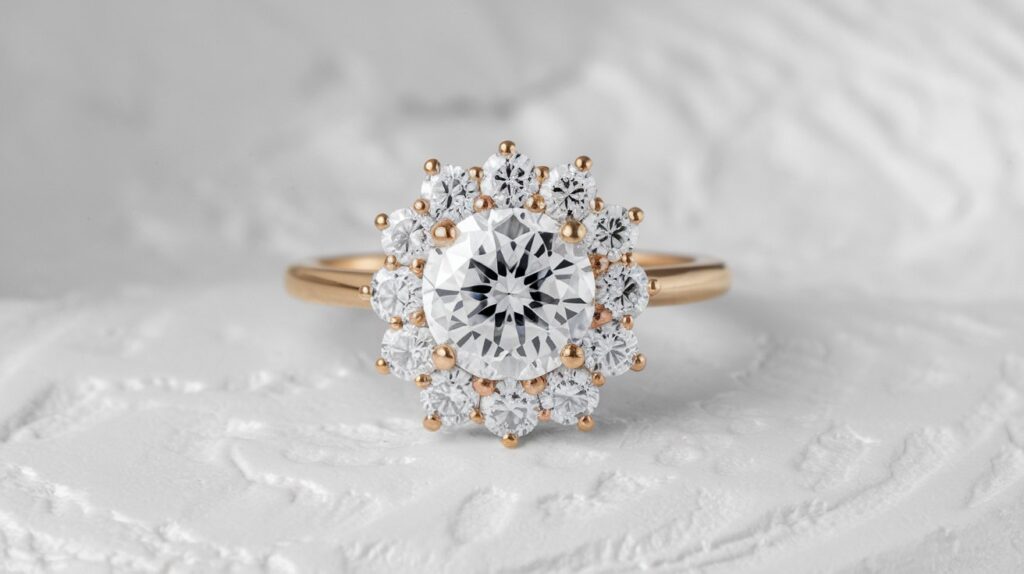
Prongs represent the most vulnerable component of most ring settings, requiring special attention during inspections. These small metal claws secure gemstones but gradually wear down through daily contact with surfaces, clothing, and general use. Prong wear occurs gradually, making regular professional assessment crucial for preventing stone loss.
Modern ring settings in 2026 utilize improved alloys and construction techniques, but physics still dictates that repeated stress eventually weakens metal structures. White gold prongs typically require more frequent inspection than platinum alternatives due to rhodium plating wear. Yellow gold settings offer durability but may show wear patterns more visibly than other metals.
Signs Your Prongs Need Immediate Attention
Several warning signs indicate urgent professional evaluation is necessary. Visible prong thinning, chips in the metal, or any looseness when gently touching the stone require immediate jeweler attention. Additionally, catching the ring on fabric or noticing the stone moving within its setting demands professional inspection regardless of your regular schedule.
Prong Retipping and Replacement Costs
Prong maintenance costs vary significantly across the United States, with retipping services ranging from $75 to $250 per prong depending on metal type and regional pricing. Complete prong replacement typically costs $200 to $800, making regular inspection a cost-effective preventive measure compared to emergency repairs or stone replacement.
Professional vs. At-Home Ring Inspection Methods
While professional evaluations remain irreplaceable for thorough assessments, informed consumers can perform basic checks between appointments. Home inspection techniques include gentle visual examination under good lighting, careful listening for rattling sounds when shaking the ring, and monitoring for changes in how the ring feels during wear.
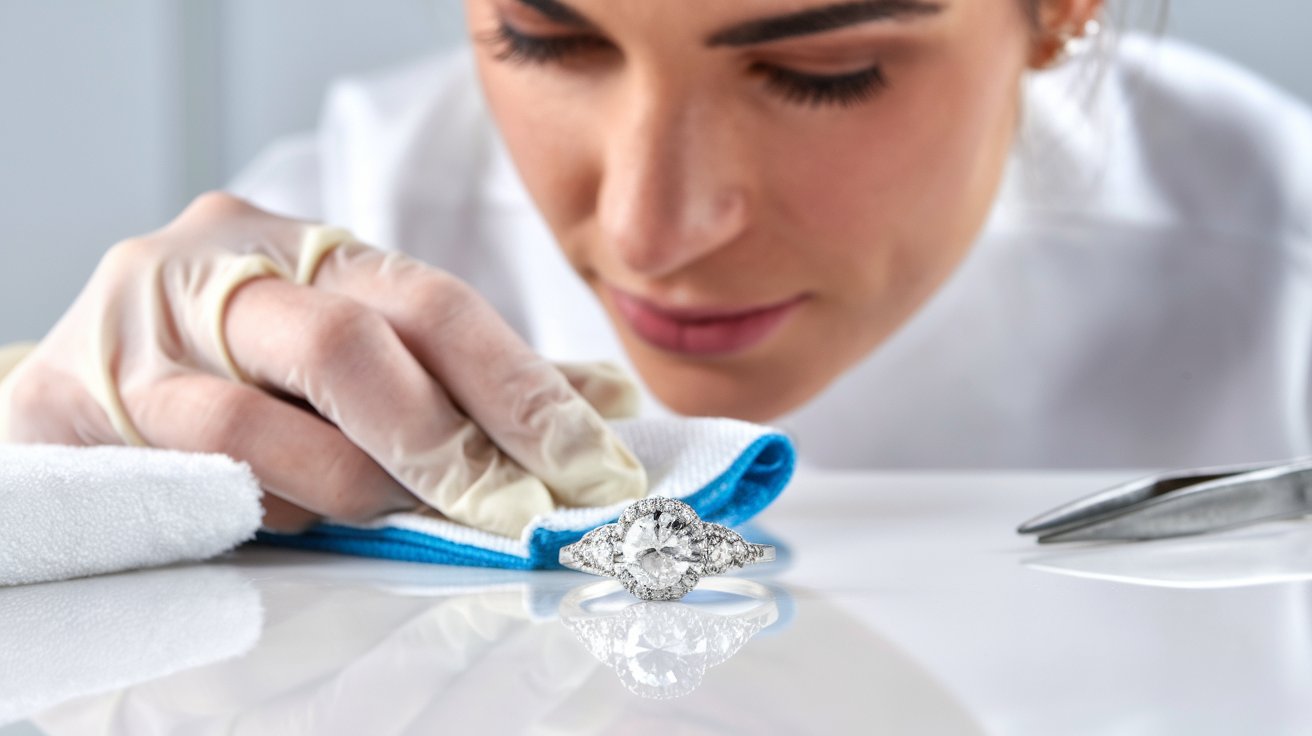
Professional jewelers utilize specialized equipment including microscopes, ultrasonic cleaners, and precision measuring tools unavailable to consumers. These professional inspection tools detect microscopic cracks, measure exact prong thickness, and identify structural issues invisible to casual observation. The combination of regular professional service with informed home monitoring provides optimal protection for valuable jewelry.
Safe At-Home Inspection Techniques
Effective home inspection begins with proper lighting and magnification using a jewelry loupe or smartphone camera with macro capabilities. Gently wiggle stones to check for movement, examine prong tips for wear, and look for any changes in metal color or texture that might indicate damage.
When Professional Evaluation Becomes Mandatory
Certain situations require immediate professional attention regardless of inspection schedules. Impact damage from dropping the ring, exposure to harsh chemicals, or any visible stone movement necessitates urgent evaluation. Additionally, inherited rings or pieces with unknown maintenance histories need comprehensive professional assessment before regular wear.
Ring Cleaning Frequency and Maintenance Schedule
Proper cleaning complements regular inspections in maintaining ring integrity and appearance. Professional cleaning services should accompany biannual inspections, utilizing ultrasonic cleaners and steam treatments that remove buildup impossible to eliminate at home. These deep cleaning sessions also allow jewelers to thoroughly examine all ring components.
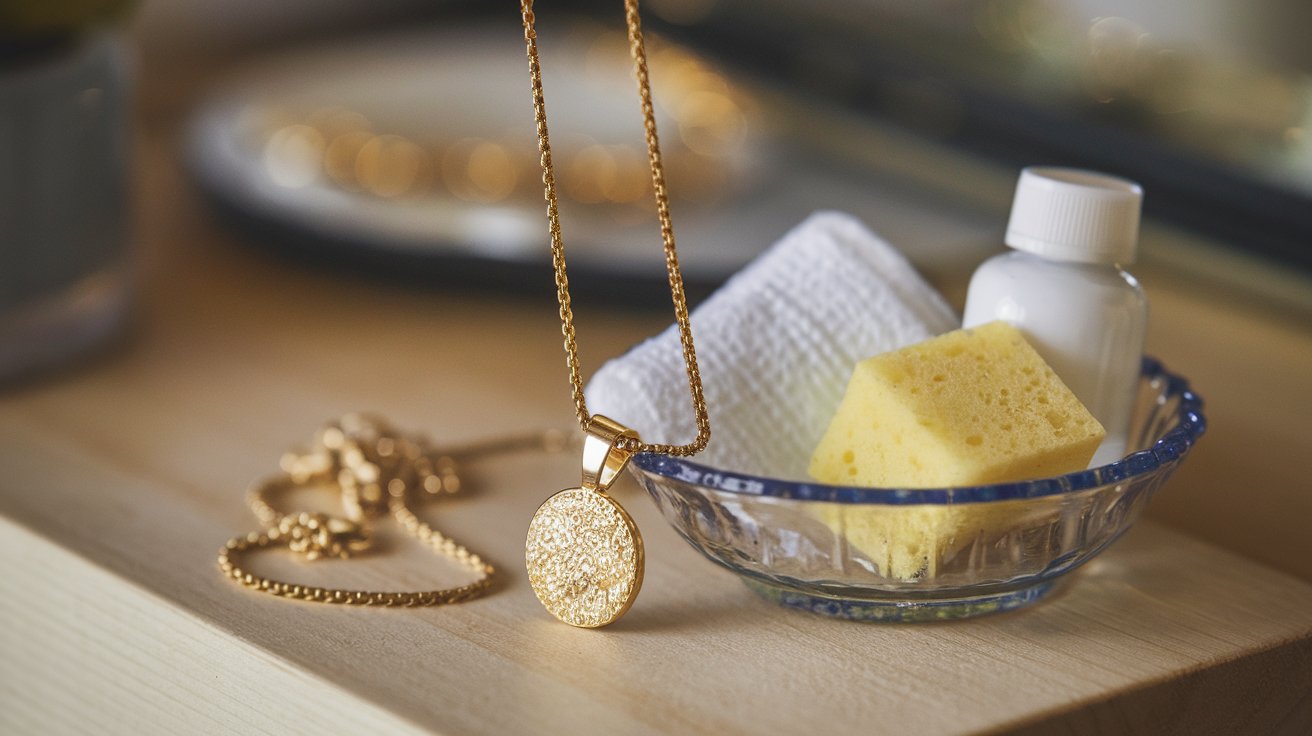
Daily maintenance involves gentle brushing with soft-bristled toothbrushes and mild soap solutions. Home cleaning frequency can range from weekly for heavily soiled rings to monthly for pieces exposed to minimal contaminants. However, avoid harsh chemicals, abrasive materials, or ultrasonic cleaners at home, which may cause damage requiring professional repair.
Cost Analysis of Ring Maintenance in 2026
Understanding maintenance costs helps budget appropriately for proper ring care throughout ownership. Professional inspection fees typically range from $50 to $150 across major U.S. metropolitan areas, often included with cleaning services. This investment prevents significantly higher costs associated with emergency repairs or stone replacement.
Insurance considerations also factor into maintenance decisions, as many jewelry insurance policies require documented regular maintenance for coverage validity. Maintenance documentation from certified jewelers supports insurance claims and helps establish proper care history for valuable pieces. The total annual cost of proper ring maintenance typically represents 1-3% of the ring’s value, making it a reasonable investment for protection.
Insurance Requirements for Ring Maintenance
Most jewelry insurance providers require annual appraisals and maintenance documentation for policies exceeding $5,000 in coverage. This documentation must come from certified jewelers and include detailed condition reports. Failure to maintain proper records may void coverage for preventable damage or loss.
Regional Price Variations Across the United States
Maintenance costs vary significantly by location, with major metropolitan areas typically commanding premium prices. Cities like New York, Los Angeles, and San Francisco often charge 50-100% more than smaller markets for identical services. However, the quality and expertise available in these markets may justify the additional expense for valuable pieces.
Choosing Qualified Jewelry Professionals
Selecting appropriate professionals for ring maintenance requires careful consideration of credentials, experience, and specialization. Certified gemologists with American Gem Society or Gemological Institute of America credentials offer the highest level of expertise for valuable pieces. These professionals undergo rigorous training and continuing education to maintain current knowledge of jewelry technology and techniques.
Local independent jewelers often provide personalized service and competitive pricing compared to chain retailers. Independent jeweler advantages include flexible scheduling, detailed explanations of findings, and often more thorough examinations than high-volume operations. However, verify credentials and read customer reviews before establishing maintenance relationships with any jeweler.
Modern Ring Technology and Maintenance Implications
Contemporary ring manufacturing techniques and materials affect maintenance requirements and inspection priorities. Modern setting innovations like tension settings, bezel alternatives, and improved alloys may require specialized knowledge for proper evaluation. Understanding your ring’s specific construction helps communicate effectively with maintenance professionals.
Advanced treatments and coatings popular in 2026 jewelry may also influence care requirements. Rhodium plating maintenance, diamond treatments, and alternative metal alloys each present unique considerations for inspection schedules and cleaning protocols. Staying informed about your ring’s specific characteristics ensures appropriate care throughout its lifetime.
Related video about how often should you get a ring inspected
This video complements the article information with a practical visual demonstration.
Essential Q&A about how often should you get a ring inspected
How much does a professional ring inspection cost in 2026?
Professional ring inspections typically cost between $50-150 across the United States, often included with cleaning services. Major metropolitan areas charge premium rates, while smaller markets offer more competitive pricing. Many jewelers provide free basic inspections for pieces purchased from their stores.
Can I damage my ring by cleaning it too frequently?
Daily gentle cleaning with mild soap and soft brushes won’t damage quality rings, but excessive scrubbing or harsh chemicals can cause issues. Professional ultrasonic cleaning should occur only during scheduled maintenance visits. Over-cleaning with abrasive materials may scratch settings or loosen stones.
What happens if I skip regular ring inspections?
Skipping inspections increases risks of stone loss, setting damage, and insurance coverage issues. Without regular maintenance documentation, insurance claims may be denied. Additionally, minor issues that could be inexpensively repaired may develop into costly problems requiring major restoration work.
Do different ring metals require different inspection schedules?
Yes, different metals have varying maintenance needs. White gold with rhodium plating may require more frequent attention as the coating wears. Platinum settings generally need less frequent maintenance but still benefit from regular inspection. Vintage gold alloys may require specialized care approaches.
How do I know if my ring needs immediate professional attention?
Seek immediate professional help if stones move when touched, prongs appear thin or damaged, the ring catches on fabric frequently, or any visible cracks appear in the metal. Additionally, inherited rings or pieces with unknown maintenance histories need prompt evaluation before regular wear.
Are online jewelry cleaning services reliable for valuable rings?
While some online services offer mail-in cleaning, local professional jewelers provide better security and immediate assessment capabilities for valuable pieces. Shipping valuable jewelry carries inherent risks, and in-person evaluation allows for immediate discussion of any discovered issues or needed repairs.
| Ring Type | Inspection Frequency | Key Benefits |
|---|---|---|
| Daily Wear Engagement Rings | Every 6 months | Prevents stone loss, maintains insurance coverage |
| Wedding Bands | Every 6-12 months | Preserves structural integrity, identifies wear |
| Occasional Wear Rings | Annually | Cost-effective maintenance, ensures safety |
| Vintage or Heirloom Pieces | Every 3-6 months | Preserves historical value, prevents deterioration |