The custom jewelry process transforms your vision into a unique wearable masterpiece through seven carefully orchestrated steps. From initial consultation to final delivery, this comprehensive journey typically takes 4-8 weeks and involves skilled artisans, advanced technology, and meticulous quality control to create your one-of-a-kind piece.
Understanding the Custom Jewelry Design Process
The custom jewelry process begins with understanding your vision and transforming it into a tangible design. Professional jewelers use sophisticated techniques including computer-aided design (CAD) software and 3D printing to visualize your concept before production begins. This methodical approach ensures your final piece meets exact specifications while maintaining the highest quality standards.
In 2026, the average custom jewelry project in the United States costs between $2,500 and $15,000, depending on materials and complexity. The process has evolved significantly with technology integration, allowing for more precise designs and faster turnaround times compared to traditional methods used just five years ago.
Step 1: Initial Consultation and Design Discussion
Your custom jewelry journey starts with a comprehensive consultation where you discuss your vision, budget, and timeline with a professional designer. During this crucial phase, you’ll explore various design possibilities, material options, and understand the complete scope of your project. The consultation typically lasts 60-90 minutes and establishes the foundation for your entire custom piece.
Professional jewelers document every detail during the consultation, including preferred metals, gemstone specifications, sizing requirements, and any personal elements you want incorporated. This detailed documentation ensures your custom jewelry process proceeds smoothly without miscommunication or design revisions later in the production timeline.
Step 2: Digital Design Creation and CAD Rendering
Modern jewelry design relies heavily on computer-aided design (CAD) technology to create precise digital models of your custom piece. These detailed 3D renderings allow you to visualize your jewelry from every angle, make adjustments, and approve the design before any physical work begins. CAD technology has revolutionized the custom jewelry industry by reducing errors and improving client satisfaction rates.
Benefits of Advanced CAD Technology in Jewelry Design
CAD technology in custom jewelry creation offers unprecedented precision with measurements accurate to 0.01mm, ensuring perfect proportions and fit. The digital design phase allows for unlimited revisions without material waste, and clients can see photorealistic renderings that show exactly how their finished piece will appear with different lighting and angles.
Technical Specifications and Design Documentation
Every custom jewelry design includes comprehensive technical documentation specifying metal weights, gemstone dimensions, setting styles, and finishing requirements. This detailed blueprint guides craftsmen through the production process and serves as quality control reference points throughout manufacturing, ensuring consistent results that match approved specifications.
Step 3: Prototype Creation and Model Approval
Once your digital design receives approval, the jewelry creation process moves to physical prototype development using 3D printing or traditional wax carving techniques. This tangible model allows you to experience the actual size, proportions, and feel of your custom piece before final production begins. Most clients find this step crucial for confirming their design vision translates perfectly into physical form.
The prototype phase typically requires 5-7 business days and includes multiple quality checkpoints. Your jeweler will examine the model for structural integrity, proper proportions, and manufacturing feasibility. Any necessary adjustments are made at this stage, as modifications become significantly more expensive once metal casting begins in the custom jewelry process.
Step 4: Metal Casting and Framework Construction
The metal casting process transforms your approved prototype into the foundation of your custom jewelry using investment casting techniques. Skilled craftsmen create a ceramic shell around your prototype, then melt out the original material and pour molten precious metal into the cavity. This ancient technique, refined with modern technology, produces incredibly detailed castings that capture every nuance of your design.
Different metals require specific casting temperatures and techniques, with gold casting at 1,945°F and platinum requiring 3,215°F. The casting process typically takes 24-48 hours including cooling time, and the resulting framework undergoes initial inspection for porosity, surface quality, and dimensional accuracy before proceeding to stone setting and finishing stages.
Step 5: Precision Stone Setting and Gemstone Installation
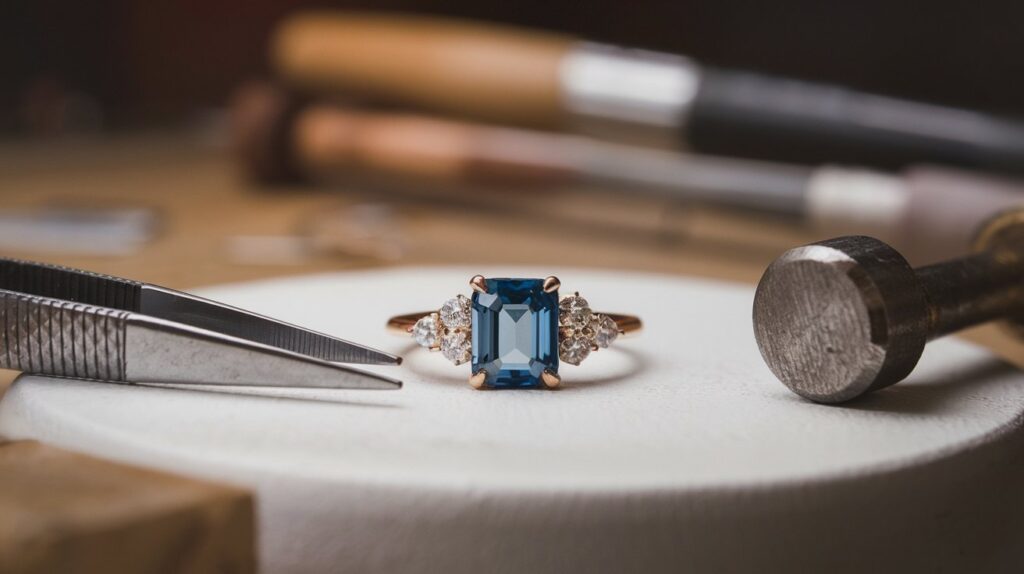
Professional stone setting represents one of the most skilled aspects of custom jewelry creation, requiring years of training and steady hands. Master setters use specialized tools to securely position each gemstone while maintaining proper alignment and ensuring maximum light reflection. The setting style affects both the jewelry’s appearance and the stones’ long-term security.
Popular Setting Techniques for Custom Engagement Rings
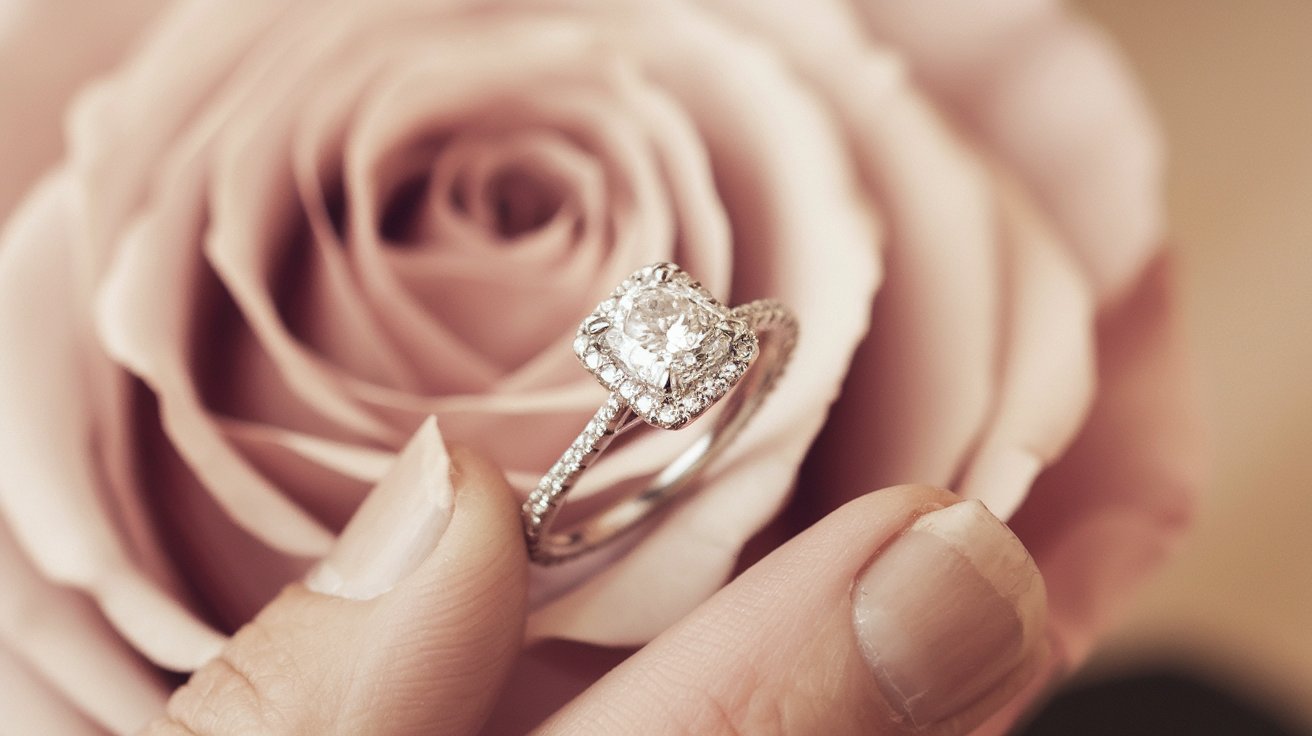
Prong settings remain the most popular choice for engagement rings, holding 68% market share in 2026 due to their ability to showcase diamond brilliance. Bezel settings offer superior stone protection and modern aesthetics, while pave settings create stunning sparkle effects perfect for custom designs featuring multiple smaller diamonds or gemstones.
Quality Assurance in Professional Stone Setting
Every gemstone setting undergoes rigorous inspection using magnification tools to verify proper placement, secure mounting, and absence of stress fractures. Professional jewelers test stone security through gentle manipulation and visual examination, ensuring your custom piece will maintain its integrity through decades of regular wear and daily activities.
Step 6: Finishing Techniques and Surface Refinement
The finishing process transforms your cast and set jewelry into a polished masterpiece through progressive surface refinement techniques. Skilled craftsmen use various polishing compounds, brushes, and buffing wheels to achieve different textures and shine levels. This meticulous process can take 8-12 hours for complex pieces and significantly impacts the final appearance and feel of your custom jewelry.
Modern finishing techniques include high-polish, satin, brushed, and hammered textures, each requiring specific tools and expertise. The chosen finish affects light reflection, visual appeal, and maintenance requirements. Your custom jewelry piece receives multiple finishing stages, starting with coarse abrasives to remove casting marks and progressing to ultra-fine polishing compounds that create mirror-like surfaces.
Step 7: Final Quality Inspection and Delivery Preparation
Comprehensive quality inspection serves as the final checkpoint before your custom jewelry reaches completion, involving detailed examination of every aspect from structural integrity to aesthetic perfection. Professional jewelers use specialized equipment including microscopes, gemstone testers, and precision measuring tools to verify your piece meets exact specifications and industry standards.
The inspection process covers stone security, metal composition verification, sizing accuracy, and surface finish quality. Any imperfections discovered during this phase receive immediate correction before final packaging. Your completed custom jewelry comes with detailed documentation including material certifications, care instructions, and warranty information for future reference and insurance purposes.
Timeline Expectations and Project Management
Most custom jewelry projects require 4-8 weeks from initial consultation to final delivery, though complex pieces featuring extensive stone work or intricate details may extend to 12 weeks. Rush orders are possible for additional fees, potentially reducing timelines to 2-3 weeks depending on design complexity and material availability in the jeweler’s inventory.
Professional jewelers provide regular progress updates throughout the custom creation process, including photos of major milestones such as CAD approval, casting completion, and stone setting. This transparent communication ensures you remain informed about your project’s status and can address any concerns before they impact the final timeline or quality.
Cost Factors and Budget Considerations in 2026
Understanding custom jewelry pricing helps you budget appropriately and make informed decisions about materials and design complexity. Labor typically represents 40-60% of total costs, while materials account for the remaining percentage. Precious metals and gemstones fluctuate with market conditions, and current 2026 gold prices averaging $2,340 per ounce significantly impact overall project costs.
Design complexity directly affects labor time and final pricing, with simple solitaire rings starting around $2,500 and elaborate multi-stone pieces reaching $25,000 or more. The custom jewelry process offers excellent value compared to designer brands, typically costing 30-50% less than equivalent retail pieces while providing superior personalization and quality craftsmanship.
Related video about how does the custom jewelry process work
This video complements the article information with a practical visual demonstration.
Questions & Answers
What is the process for custom jewelry creation from start to finish?
The custom jewelry process involves seven key steps: initial consultation and design discussion, digital CAD rendering creation, prototype development and approval, metal casting, precision stone setting, finishing and polishing, and final quality inspection. The entire process typically takes 4-8 weeks and costs between $2,500-$15,000 depending on complexity and materials chosen.
How does the custom jewelry process work with diamonds specifically?
Custom jewelry with diamonds follows the same seven-step process but includes additional considerations for diamond selection, certification verification, and specialized setting techniques. Diamonds are typically sourced and certified before setting, with GIA or AGS certification preferred. The setting process requires extra precision to maximize diamond brilliance and ensure long-term security.
Is $4000 a reasonable budget for a custom engagement ring in 2026?
Yes, $4000 represents a solid budget for a custom engagement ring in 2026, allowing for quality materials including 14k gold and a center diamond between 0.75-1.0 carats depending on cut, color, and clarity preferences. This budget covers professional design, CAD rendering, casting, setting, and finishing while providing better value than comparable retail options.
What is the 2:1:1 rule in custom jewelry design?
The 2:1:1 rule suggests allocating your budget with 50% for the center stone, 25% for the setting and metal work, and 25% for design fees and miscellaneous costs. This guideline helps balance stone quality with craftsmanship quality, ensuring both impressive visual impact and structural integrity in your custom piece.
Can you get custom permanent jewelry if you have a pacemaker?
Yes, people with pacemakers can safely wear custom permanent jewelry like welded chains or bracelets. However, you should consult your cardiologist before the welding process, as some medical devices may be sensitive to electromagnetic fields. Most permanent jewelry welding uses low-heat, quick-pulse techniques that don’t interfere with modern pacemakers when proper precautions are followed.
How can I find reliable information about the custom jewelry process on Reddit?
Reddit communities like r/jewelry, r/EngagementRings, and r/jewelrymaking provide valuable insights from both professionals and customers who have completed custom projects. Look for posts with detailed photos, verified jeweler accounts, and multiple user confirmations. Always verify advice with professional jewelers and request references before committing to any custom work.
| Process Stage | Duration | Key Outcome |
|---|---|---|
| Consultation & Design | 3-5 days | Approved CAD rendering |
| Prototype Creation | 5-7 days | Physical model approval |
| Metal Casting | 1-2 days | Solid metal framework |
| Stone Setting | 2-4 days | Secure gemstone installation |
| Finishing & Inspection | 3-5 days | Complete custom jewelry piece |