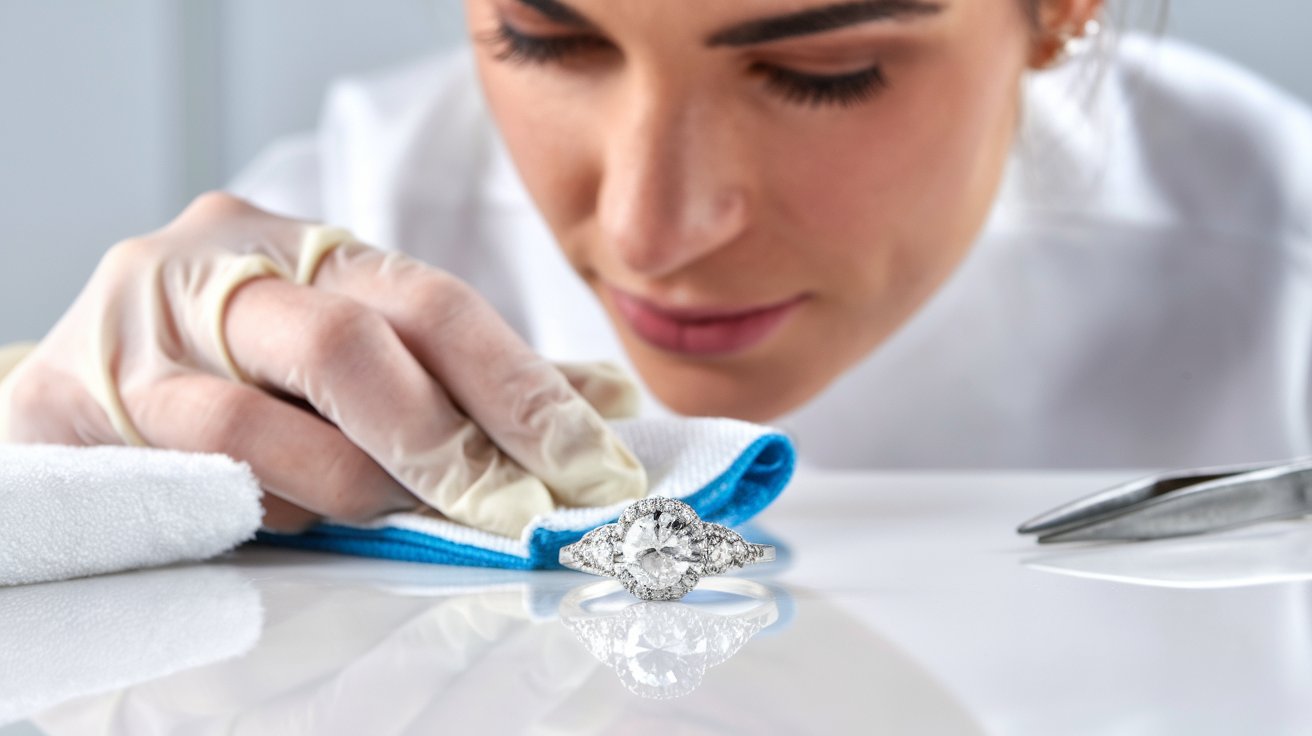
Cleaning gold jewelry at home is a simple yet essential practice that can restore your precious pieces to their original brilliance. With proper techniques and household items like baking soda and gentle soap, you can safely remove tarnish and buildup without damaging your jewelry. This comprehensive guide provides expert-tested methods for cleaning various types of gold jewelry, from plated pieces to high-karat gold with diamonds.
Why Regular Gold Jewelry Cleaning is Essential
Regular cleaning of your gold jewelry prevents the accumulation of oils, lotions, and environmental pollutants that can dull its natural shine. According to 2026 jewelry care studies, properly maintained gold pieces retain up to 95% of their original luster compared to neglected jewelry that loses significant brilliance over time. The natural oils from your skin, combined with cosmetics and environmental factors, create a film that makes your gold jewelry appear tarnished and lackluster.
Professional jewelers recommend cleaning gold jewelry at home every 2-3 weeks for frequently worn pieces and monthly for occasional wear items. This regular maintenance not only preserves the aesthetic appeal but also prevents the need for expensive professional cleaning services. When you clean gold jewelry consistently, you extend its lifespan and maintain its investment value, which is particularly important given the rising gold prices in 2026.
Understanding Different Types of Gold Jewelry for Cleaning
The approach to cleaning gold jewelry varies significantly depending on the type and karat of gold you’re dealing with. High karat gold (18k-24k) is more durable and can withstand stronger cleaning methods, while lower karat gold and gold-plated jewelry require gentler techniques to prevent damage to the plating layer.
High Karat Gold vs Gold Plated Jewelry Cleaning Differences
When learning how to clean gold jewelry at home, understanding the difference between solid gold and plated pieces is crucial. High karat gold can be cleaned with slightly abrasive methods like baking soda paste without risk of damage. Gold-plated jewelry, however, requires extremely gentle cleaning to preserve the thin gold layer that can wear off with aggressive cleaning methods.
Gold Jewelry with Gemstones and Diamonds
Learning how to clean gold jewelry at home with diamonds requires special consideration for the gemstones. While gold can handle various cleaning solutions, certain gemstones like pearls, emeralds, or opals may be damaged by harsh chemicals. Diamond-set gold jewelry is generally safe to clean with mild soap solutions and soft brushes, but always verify the specific care requirements for any gemstones present.
Essential DIY Gold Cleaning Methods That Work
The most effective approach to clean gold jewelry at home involves using gentle, readily available household items. Professional jewelers consistently recommend three primary methods that have proven successful for maintaining gold jewelry’s brilliance without causing damage to the metal or any accompanying gemstones.
Method 1: Gentle Soap and Warm Water Technique
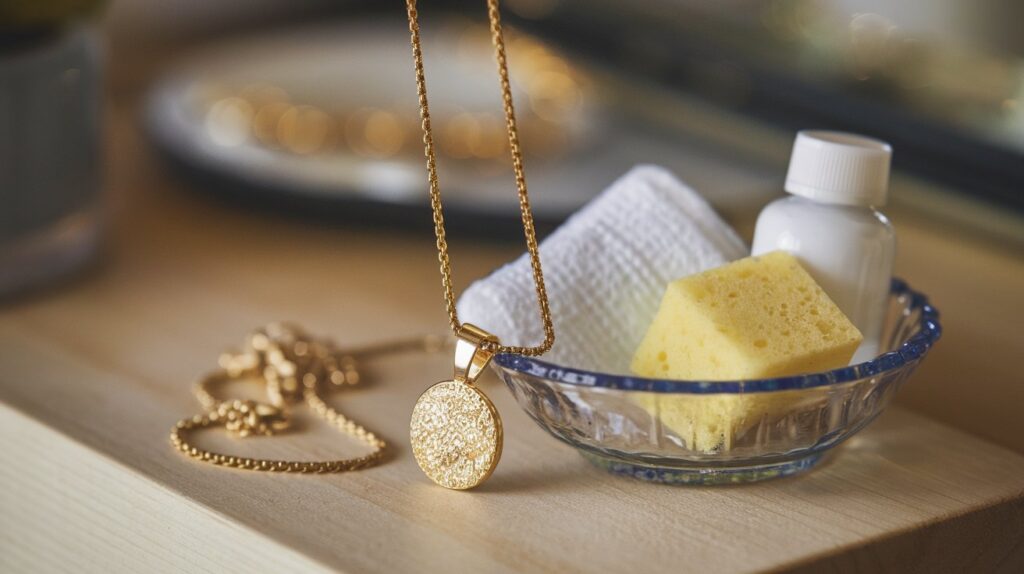
The safest method to clean gold jewelry involves using mild dish soap and warm water. Mix a few drops of gentle dish soap in warm water and soak your jewelry for 15-20 minutes. This homemade solution effectively removes oils and light tarnish. Gently scrub with a soft-bristled toothbrush, paying attention to crevices where dirt accumulates. Many people ask, ‘Can I use Dawn soap to clean my gold jewelry?’ The answer is yes – Dawn and similar gentle detergents work excellently for this purpose.
Method 2: Baking Soda Paste for Stubborn Tarnish
For those wondering how to clean gold jewelry at home with baking soda, create a paste using three parts baking soda to one part water. Apply this paste gently to tarnished areas and let it sit for 10 minutes before scrubbing with a soft brush. This method is particularly effective for cleaning tarnished gold at home and can make your jewelry shiny again without professional intervention. Rinse thoroughly with clean water and dry with a soft cloth.
Method 3: Professional-Grade Cleaning Solutions
While homemade solutions are effective, sometimes professional-grade cleaners available at jewelry stores provide superior results. These specialized solutions are formulated specifically for different types of gold and can safely clean intricate pieces. However, always test any commercial cleaner on an inconspicuous area first to ensure compatibility with your specific jewelry piece.
What Cleans Gold Naturally: Safe Household Alternatives
When seeking answers to ‘what cleans gold naturally,’ several household items prove remarkably effective. White vinegar, lemon juice, and even club soda can help restore your gold’s natural brilliance. However, these acidic solutions should be used sparingly and never on gold-plated pieces, as they can cause discoloration or damage to the plating.
Ammonia-based solutions, while effective, should be avoided for home cleaning due to their harsh nature and potential health risks. Instead, focus on gentle, natural cleaning agents that won’t compromise your jewelry’s integrity or your safety during the cleaning process.
How to Make Gold Shiny Again: Restoration Techniques
Restoring the original luster to dull gold jewelry involves more than just cleaning – it requires proper polishing techniques. After cleaning with your chosen method, use a jewelry polishing cloth specifically designed for gold to buff the surface. This process removes microscopic scratches and restores the shiny finish that makes gold jewelry so appealing.
For severely tarnished pieces, you may need to repeat the cleaning process multiple times. The key to making gold shiny again is patience and gentle persistence rather than aggressive scrubbing, which can cause permanent damage to the metal’s surface.
Special Considerations for Cleaning Gold Jewelry with Toothpaste
While some sources suggest how to clean gold jewelry with toothpaste, this method requires extreme caution. Only non-abrasive, whitening-free toothpaste should be considered, and even then, it should only be used on solid gold pieces without gemstones. The abrasive nature of most toothpastes can scratch gold’s surface and damage plating on gold-filled or plated jewelry.
If you choose to use toothpaste, apply a small amount to a soft brush, gently clean the jewelry, and rinse immediately with warm water. This method should be reserved for emergency situations when other cleaning supplies aren’t available, as safer alternatives like soap and water are always preferable.
Preventing Damage While Cleaning Gold Jewelry at Home
The most important aspect of cleaning gold jewelry at home is prevention of damage during the process. Always remove jewelry before swimming in chlorinated pools, as chlorine can permanently damage gold. Similarly, avoid exposing gold jewelry to harsh chemicals found in household cleaners or beauty products.
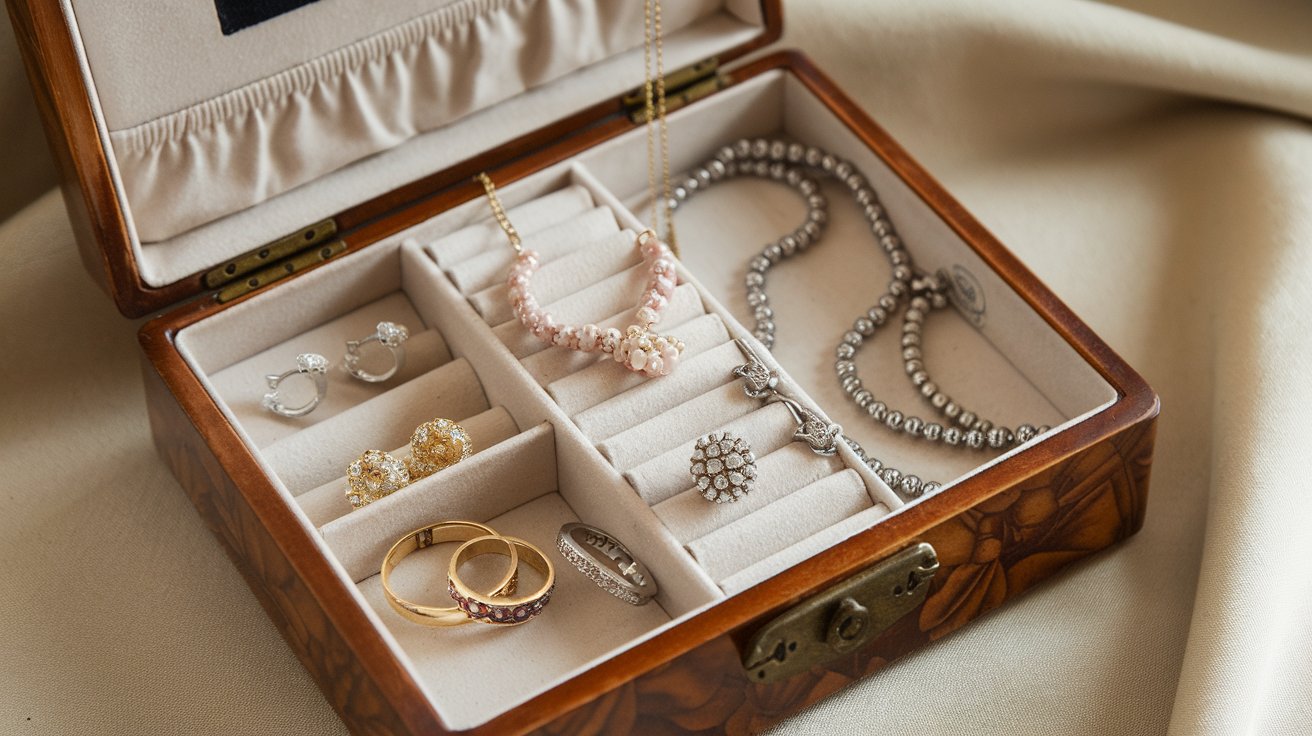
When storing cleaned jewelry, use individual soft pouches or lined jewelry boxes to prevent pieces from scratching each other. Proper storage maintains the results of your cleaning efforts and reduces the frequency of deep cleaning required to keep your gold jewelry looking its best.
When to Seek Professional Gold Jewelry Cleaning Services
While home cleaning methods are effective for routine maintenance, certain situations require professional intervention. Antique gold pieces, jewelry with complex settings, or items showing signs of damage should be taken to a qualified jeweler. Professional ultrasonic cleaning can remove buildup from areas impossible to reach with home methods.
Additionally, if your attempts to clean gold jewelry at home haven’t restored the desired brilliance, or if you notice any loosening of stones or damage to settings, professional assessment is crucial. The cost of professional cleaning is minimal compared to potential repair costs from improper handling.
Related video about how to clean gold jewelry at home
This video complements the article information with a practical visual demonstration.
Frequently Asked Questions
How do you make gold shiny again at home?
To make gold shiny again, clean it with warm soapy water, rinse thoroughly, and polish with a jewelry cloth. For stubborn tarnish, use a baking soda paste, let it sit for 10 minutes, scrub gently with a soft brush, rinse, and dry. Regular cleaning every 2-3 weeks maintains optimal shine.
What is the best homemade gold cleaner?
The best homemade gold cleaner is a mixture of warm water and gentle dish soap. This solution effectively removes oils, dirt, and light tarnish without damaging the gold or gemstones. For heavily tarnished pieces, a baking soda paste works exceptionally well for restoration.
Can I use Dawn soap to clean my gold jewelry?
Yes, Dawn soap is excellent for cleaning gold jewelry. Its gentle formula effectively removes oils and buildup without harsh chemicals. Mix a few drops with warm water, soak jewelry for 15-20 minutes, scrub gently with a soft brush, rinse thoroughly, and dry completely.
What cleans gold naturally without chemicals?
Natural gold cleaning methods include warm water and mild soap, baking soda paste, or club soda. White vinegar can work but should be used sparingly and only on solid gold pieces. Avoid lemon juice or other acidic substances on gold-plated jewelry as they can cause damage.
How often should I clean my gold jewelry at home?
Clean frequently worn gold jewelry every 2-3 weeks and occasional-wear pieces monthly. Daily-wear items like wedding rings benefit from weekly gentle cleaning. Regular maintenance prevents heavy buildup and extends the jewelry’s lifespan while maintaining its investment value.
Is it safe to clean gold jewelry with diamonds at home?
Yes, it’s safe to clean gold jewelry with diamonds at home using gentle soap and water. Diamonds are extremely durable and won’t be damaged by mild cleaning solutions. Use a soft brush to clean around diamond settings, but avoid harsh chemicals that might affect the metal setting.
| Cleaning Method | Best For | Key Benefit |
|---|---|---|
| Soap & Water | All gold types, daily maintenance | Safest method, preserves plating |
| Baking Soda Paste | Tarnished solid gold | Removes stubborn buildup effectively |
| Professional Cleaning | Antique or damaged pieces | Deep cleaning, damage prevention |