The 4 C’s of diamonds – Cut, Color, Clarity, and Carat – are the universal standards for evaluating diamond quality and determining their value. Understanding these four fundamental characteristics will help you make an informed diamond purchase decision and ensure you get the best value for your investment in 2026.
Understanding the Four C’s Diamond Grading System
The 4 C’s of diamonds were established by the Gemological Institute of America (GIA) in the 1950s and remain the global standard for diamond evaluation today. These four characteristics – Cut, Color, Clarity, and Carat weight – work together to determine a diamond’s overall beauty, rarity, and market value. Each C contributes differently to the diamond’s appearance and price, making it essential to understand how they interact with one another.
Professional jewelers and gemologists use the 4 C’s diamond chart to grade diamonds consistently across the industry. This standardized system ensures that consumers can compare diamonds objectively, regardless of where they shop. The grading process involves detailed examination using specialized equipment and trained expertise to assign precise grades for each characteristic.
Cut: The Most Important of the 4 C’s
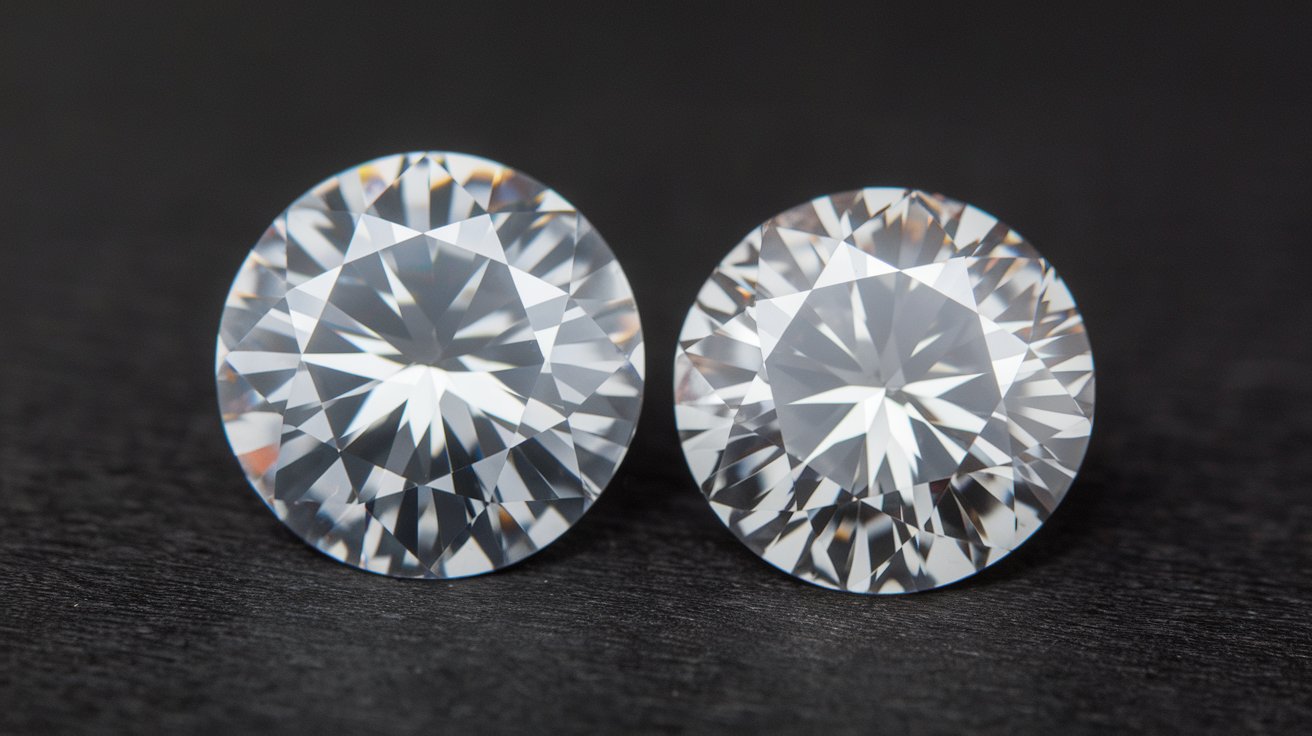
Diamond cut quality is widely considered the most crucial factor in determining a diamond’s brilliance and sparkle. Cut refers to how well a diamond’s facets interact with light, including proportions, symmetry, and polish. A well-cut diamond will reflect light internally from facet to facet and disperse it through the crown, creating the spectacular display of brilliance that diamonds are famous for.
The 4c diamond cut grading scale includes Excellent, Very Good, Good, Fair, and Poor ratings. Excellent cut diamonds maximize light return and fire, while poorly cut diamonds appear dull even if they excel in other areas. Cut quality affects diamond prices significantly, with excellent cuts commanding premium prices but delivering superior visual impact that justifies the investment.
Popular Diamond Cut Shapes and Their Characteristics
Round brilliant cuts represent approximately 75% of all diamond purchases due to their exceptional light performance and timeless appeal. The 58-facet design maximizes brilliance and fire, making it the benchmark for cut quality. Princess, cushion, and oval cuts follow in popularity, each offering unique aesthetic characteristics while maintaining excellent light performance when properly proportioned.
Cut Quality Impact on Diamond Value
Superior cut quality can increase a diamond’s value by 20-30% compared to similar stones with lower cut grades. The precision required for excellent cuts demands skilled craftsmanship and often sacrifices carat weight, making these diamonds more valuable per carat. Investment-grade diamonds typically feature excellent or very good cut grades to ensure maximum beauty and future resale value.
Color: Evaluating Diamond Transparency and Hue
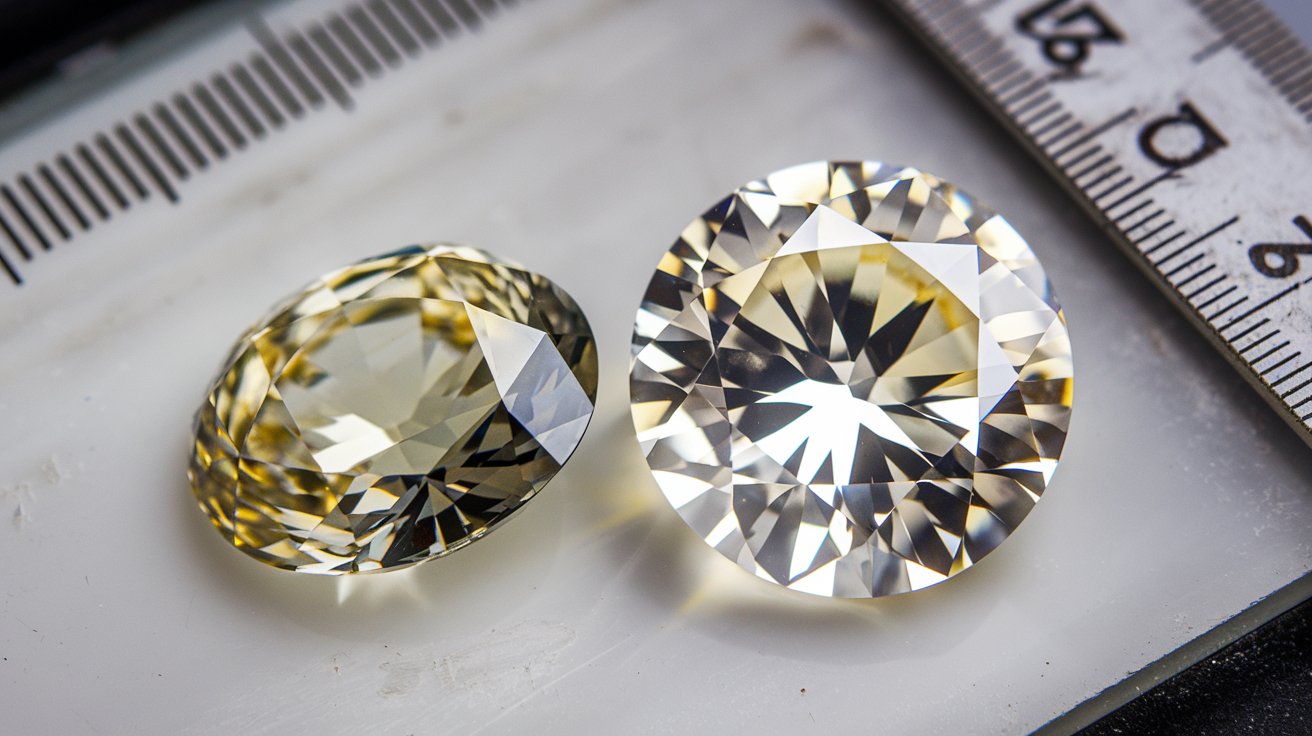
Diamond color grading measures the absence of color in white diamonds, with completely colorless stones being the most valuable. The GIA color scale ranges from D (colorless) to Z (light yellow or brown), with most engagement ring diamonds falling between D and J grades. The subtle differences between color grades become more apparent in larger carat weights and certain cut shapes.
Understanding diamond color helps buyers balance quality with budget, as the price difference between adjacent color grades can be substantial. G and H color diamonds offer excellent value, appearing colorless to the naked eye while costing significantly less than D, E, or F grades. The setting metal choice can also influence how color appears, with white gold or platinum enhancing colorless appearance.
Color Grade Classifications and Visual Differences
Colorless grades (D-F) represent the highest quality tier, with D color diamonds being completely colorless and commanding premium prices. Near-colorless grades (G-J) offer exceptional value for most buyers, appearing colorless when mounted in jewelry. Faint color grades (K-M) show slight warmth that can be attractive in certain settings and represent significant cost savings.
Fancy Colored Diamonds and Special Considerations
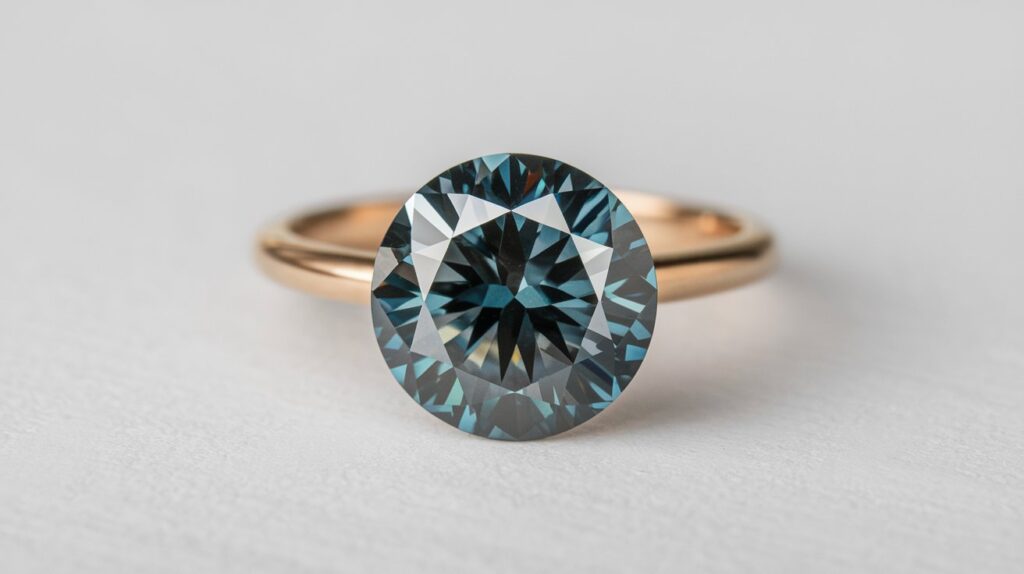
Fancy colored diamonds including pink, blue, yellow, and green varieties follow different grading standards and can be extremely valuable. These diamonds are prized for their color intensity rather than colorlessness, with vivid and intense grades commanding the highest premiums. The rarity of natural fancy colors makes them excellent long-term investments when properly certified.
Clarity: Internal and External Diamond Characteristics
Diamond clarity evaluation examines the presence of internal inclusions and external blemishes that occurred during the diamond’s formation process. The GIA clarity scale includes Flawless (FL), Internally Flawless (IF), Very Very Slightly Included (VVS1-VVS2), Very Slightly Included (VS1-VS2), Slightly Included (SI1-SI2), and Included (I1-I3) grades.
Most buyers find VS1 or VS2 clarity grades offer the optimal balance of quality and value, as inclusions in these grades are typically not visible to the naked eye. Understanding that all natural diamonds contain some level of identifying characteristics helps set realistic expectations and budget parameters for diamond purchases.
VS1 vs VS2 Clarity Comparison
When comparing VS1 or VS2 clarity grades, VS1 diamonds have fewer and smaller inclusions that are more difficult to locate under 10x magnification. VS2 diamonds may have slightly more noticeable inclusions but still maintain excellent appearance to the naked eye. The price difference between these grades typically ranges from 5-15%, making VS2 an excellent value choice for most buyers.
Clarity Enhancement and Treatment Disclosure
Some diamonds undergo clarity enhancement treatments to improve their appearance, including laser drilling and fracture filling. These treatments must be disclosed and significantly affect diamond value and durability. Natural, untreated diamonds with their original clarity characteristics are preferred for engagement rings and investment purposes due to their stability and authenticity.
Carat Weight: Understanding Diamond Size and Value
Carat weight measures the physical weight of a diamond, with one carat equaling 200 milligrams or 0.2 grams. This measurement directly impacts diamond size appearance and price, with larger diamonds being exponentially more rare and valuable. Understanding carat weight helps buyers set realistic expectations for diamond size within their budget constraints.
The relationship between carat weight and diamond price is not linear, with significant price jumps occurring at popular weights like 0.5, 1.0, 1.5, and 2.0 carats. Buying slightly below these psychological thresholds, such as 0.9 carats instead of 1.0 carat, can provide substantial savings while maintaining similar visual impact when properly cut.
4 C’s of Diamonds Order of Importance for Buyers
The 4 Cs of diamonds order of importance varies depending on individual priorities and budget considerations. Most gemologists recommend prioritizing cut quality first, as it most dramatically affects a diamond’s beauty and sparkle. Color and clarity follow in importance, with specific grades depending on diamond size and setting style preferences.
Carat weight often receives disproportionate attention from buyers, but understanding the importance hierarchy helps make more informed decisions. A smaller, well-cut diamond with good color and clarity will typically appear more beautiful than a larger diamond with poor cut quality. Budget allocation should reflect this priority order to maximize overall diamond quality and satisfaction.
Budget Optimization Strategies Using the 4 C’s
Smart budget allocation across the 4 C’s involves identifying which characteristics matter most for your specific situation. For engagement rings, excellent cut quality should receive priority, followed by color grades that appear white in the chosen setting. Clarity can often be optimized by selecting VS2 or SI1 grades that are eye-clean, allowing more budget for superior cut and color.
Setting Style Impact on 4 C’s Priorities
Different setting styles can influence which of the 4 C’s deserve emphasis in selection. Solitaire settings showcase diamond cut quality most prominently, while halo settings can make smaller carat weights appear larger and help mask lower color grades. Vintage-inspired settings may complement warmer color grades that would be less desirable in modern settings.
The 5th C: Certification and Additional Considerations
While not officially part of the traditional grading system, diamond certification is often called the 5th C and represents crucial verification of a diamond’s quality claims. Reputable laboratories like GIA, AGS, and Gübelin provide independent verification of the 4 C’s through detailed analysis and documentation. These certificates serve as quality assurance and are essential for insurance and resale purposes.
Additional factors beyond the 5 C’s of diamonds include fluorescence, polish, symmetry, and ethical sourcing considerations. Fluorescence can affect diamond appearance under certain lighting conditions, while polish and symmetry grades provide additional cut quality information. Ethical sourcing through Kimberley Process certification or lab-grown alternatives addresses environmental and social responsibility concerns.
Diamond Pricing and Value Determination in 2026
Current 4C diamond price trends in 2026 show continued premiums for excellent cut quality and colorless grades, with VS1-VS2 clarity representing optimal value positioning. Natural diamond prices have stabilized following market adjustments, while lab-grown diamonds offer 60-80% savings with identical physical properties. Understanding these market dynamics helps buyers time purchases and select optimal quality combinations.
The interaction between all four C’s creates exponential pricing effects, particularly in larger carat weights. A 2-carat diamond with excellent cut, D color, and VVS1 clarity commands significantly higher premiums than incremental improvements in individual characteristics would suggest. Professional appraisals considering all factors provide accurate market value assessments for insurance and investment purposes.
Related video about what are the 4 cs of diamonds
This video complements the article information with a practical visual demonstration.
Your questions answered
What do the 4 C’s of diamonds mean?
The 4 C’s of diamonds refer to Cut, Color, Clarity, and Carat weight – the four fundamental characteristics used to evaluate and price diamonds. Cut measures how well the diamond reflects light, Color grades the absence of color from D (colorless) to Z (light yellow), Clarity evaluates internal inclusions and external blemishes, and Carat measures the diamond’s weight.
What is the 5th C of diamonds?
The 5th C typically refers to Certification – independent verification of a diamond’s 4 C’s by reputable gemological laboratories like GIA or AGS. Some also consider it to represent Confidence, Cost, or Conflict-free status. Certification provides essential documentation for insurance, resale, and quality assurance purposes.
How big a diamond will $10,000 buy?
A $10,000 budget can purchase approximately a 1.0-1.3 carat natural diamond with good to very good quality grades, or a 1.5-2.0 carat lab-grown diamond with similar specifications. The exact size depends on the specific combination of cut, color, and clarity grades selected, with excellent cut quality being recommended regardless of final carat weight.
Is a VS1 or VS2 better?
VS1 clarity is technically better than VS2, featuring fewer and smaller inclusions that are more difficult to detect under magnification. However, both grades typically appear identical to the naked eye, making VS2 often the better value choice. The 5-15% price difference between VS1 and VS2 can be better allocated to improved cut quality or color grade.
Which of the 4 C’s is most important?
Cut quality is generally considered the most important of the 4 C’s because it most dramatically affects a diamond’s brilliance and sparkle. A well-cut diamond will appear more beautiful than a poorly cut stone with superior color and clarity grades. The recommended priority order is Cut first, followed by Color, Clarity, and then Carat weight.
How do the 4 C’s affect diamond prices?
The 4 C’s have exponential effects on diamond pricing, with improvements in multiple categories creating dramatic price increases. Cut quality affects prices by 20-30%, color grades show 10-20% differences between adjacent grades, clarity variations can impact prices by 15-25%, and carat weight creates exponential increases at popular sizes like 1.0, 1.5, and 2.0 carats.
| Diamond Characteristic | Key Grading Details | Value Impact |
|---|---|---|
| Cut Quality | Excellent to Poor grades, affects brilliance | Most important for beauty, 20-30% price impact |
| Color Grade | D (colorless) to Z (light yellow) scale | G-H grades offer best value |
| Clarity Level | FL to I3, measures inclusions and blemishes | VS1-VS2 optimal for eye-clean appearance |
| Carat Weight | 200mg per carat, affects size and rarity | Exponential price increases at whole carat marks |