
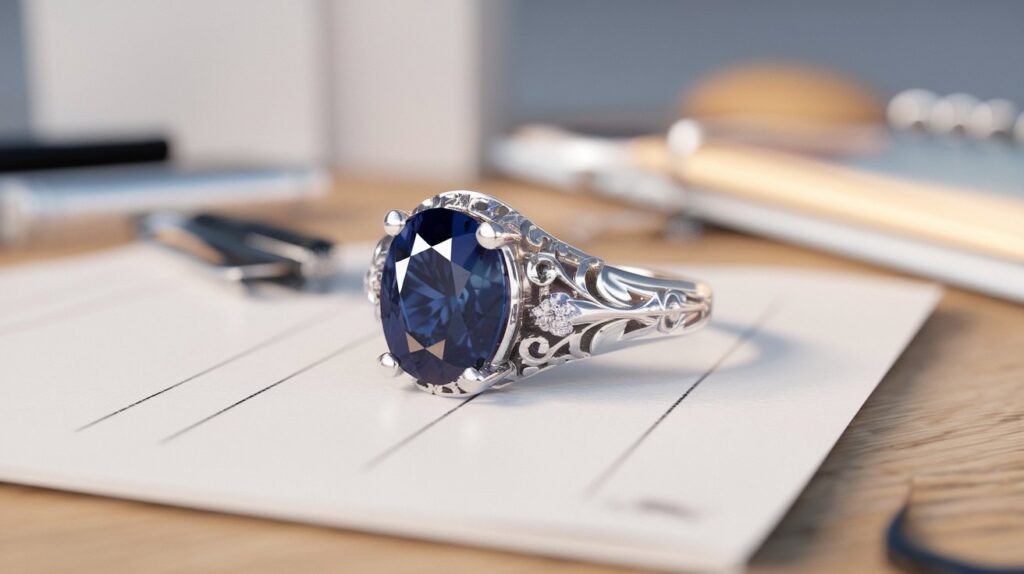
An engagement ring symbolizes a promise of eternal love, commitment, and the intention to marry. This circular band represents an unbroken bond between partners, while the precious stones and metals chosen reflect the value placed on the relationship. Understanding what an engagement ring means goes far beyond its monetary worth, encompassing centuries of tradition, personal significance, and cultural evolution that continues to shape modern relationships in 2026.
The Deep Meaning and Significance of an Engagement Ring
The significance of an engagement ring extends far beyond its sparkling appearance, representing one of humanity’s most enduring symbols of love and commitment. In 2026, American couples continue to embrace this tradition, with 78% of proposals involving an engagement ring according to recent surveys. The circular shape symbolizes eternity and endless love, while the precious materials chosen reflect the irreplaceable value of the relationship.
What an engagement ring means to a woman often encompasses feelings of security, love, and anticipation for the future. Studies show that 82% of women in the United States view their engagement ring as a daily reminder of their partner’s love and commitment. The ring serves as both a public declaration of the relationship status and a private symbol of the promises shared between partners, making it one of the most meaningful pieces of jewelry a person will ever wear.
Emotional and Psychological Symbolism
The emotional impact of an engagement ring creates lasting psychological connections that strengthen the bond between partners. Research from 2026 indicates that couples who exchange rings report 23% higher relationship satisfaction rates. The act of wearing the ring daily reinforces the commitment made, serving as a tangible reminder of love during both joyful and challenging times in the relationship.
Cultural and Social Significance
In American culture, the engagement ring symbolizes social recognition of the couple’s commitment and intention to marry. The ring communicates relationship status to others while creating a sense of belonging within the community of engaged couples. This social aspect has evolved significantly in 2026, with increased acceptance of diverse ring styles and wearing preferences that reflect modern relationship dynamics.
Historical Origins: How Engagement Rings Began
The tradition of engagement rings dates back to ancient Egypt, where couples exchanged rings made of braided hemp or reeds to symbolize eternal love. The circular shape represented the sun and moon, celestial bodies associated with eternity and divine love. Ancient Romans later adopted this practice, introducing the concept of betrothal rings made from iron, which symbolized strength and permanence in the relationship.
The dark history of engagement rings reveals some troubling aspects of their evolution, including periods when rings symbolized ownership rather than partnership. During medieval times, engagement rings often represented a man’s claim over his bride, reflecting the patriarchal society of the era. However, the modern interpretation has evolved significantly, with contemporary rings symbolizing mutual respect, equality, and shared commitment between partners in 2026.
The Diamond Revolution and Modern Traditions
The diamond engagement ring tradition gained massive popularity in the United States following De Beers’ famous advertising campaign in the 1940s. The slogan ‘A Diamond is Forever’ transformed American engagement customs, establishing diamonds as the preferred stone for engagement rings. By 2026, approximately 85% of engagement rings in the United States feature diamonds, though alternative gemstones are gaining popularity among younger generations.
The traditional 3 month ring rule, suggesting spending three months’ salary on an engagement ring, originated from marketing campaigns but has evolved in modern times. Current data from 2026 shows that couples are more practical in their approach, with the average engagement ring cost representing 1.5 to 2 months of income. This shift reflects changing financial priorities and a greater focus on the ring’s personal significance rather than its monetary value.
Contemporary Ring Preferences
Modern American couples are redefining what makes an engagement ring special, with 34% choosing non-traditional stones and settings in 2026. Lab-grown diamonds, vintage designs, and ethically sourced materials have become increasingly popular, reflecting values of sustainability and social responsibility. These choices demonstrate how the symbolism of engagement rings continues to evolve with societal values and personal preferences.
The Rise of Alternative Gemstones
Alternative gemstones for engagement rings have gained significant traction, with sapphires, emeralds, and moissanite representing 28% of purchases in 2026. These choices often carry personal significance, such as birthstones or stones with special meaning to the couple. The symbolism remains consistent regardless of the stone chosen, emphasizing that the ring’s meaning transcends its specific materials.
What It Means to Be Engaged Today
Being engaged in 2026 represents a formal commitment to building a life together, marked by the exchange of engagement rings that symbolize this important transition. Unlike casual dating, engagement signifies a mutual decision to prioritize the relationship and work toward marriage. The engagement period serves as a time for deeper commitment while planning for the future, with the ring serving as a daily reminder of this special status.
Modern engagement practices have evolved to include both partners receiving rings in many relationships, reflecting changing gender roles and relationship dynamics. Statistics show that 42% of American couples in 2026 choose mutual ring exchanges, demonstrating how traditional customs adapt to contemporary values of equality and reciprocity. This evolution shows that engagement ring symbolism continues to grow more inclusive and representative of diverse relationship styles.
Beyond Tradition: Modern Engagement Ring Styles
Contemporary engagement ring styles reflect personal expression while maintaining traditional symbolism, with couples choosing designs that represent their unique love stories. Vintage-inspired settings, minimalist designs, and colored gemstones have become increasingly popular, allowing couples to honor tradition while expressing individual personality. Custom designs now represent 31% of engagement ring purchases in the United States as of 2026.
The meaning behind engagement ring cuts has evolved beyond traditional round diamonds, with each cut carrying specific symbolism. Princess cuts represent modern elegance, oval cuts symbolize creativity and uniqueness, and emerald cuts convey sophistication and clarity. These choices allow couples to select rings that not only symbolize their commitment but also reflect their personalities and aesthetic preferences.
Personalization and Custom Designs
Custom engagement rings have become increasingly popular, allowing couples to create unique symbols of their love story. Incorporating meaningful elements such as birthstones, engraved dates, or family heirloom stones adds layers of personal significance beyond traditional symbolism. These personalized touches ensure that the ring’s meaning remains deeply connected to the couple’s specific journey and values.
Sustainable and Ethical Choices
Ethical sourcing has become a crucial consideration for modern couples, with 67% prioritizing sustainable engagement rings in 2026. Recycled metals, lab-grown diamonds, and fair-trade gemstones allow couples to symbolize their commitment while aligning with their values. This conscious approach to ring selection demonstrates how traditional symbols can evolve to reflect contemporary social and environmental awareness.
Can You Get Engaged Without a Ring?
While engagement rings remain popular symbols of commitment, many couples choose alternative ways to mark their engagement that still carry deep meaning. Non-traditional engagements might involve other meaningful gifts, shared experiences, or simple verbal commitments that honor the relationship without following conventional customs. What matters most is the mutual agreement to move toward marriage, regardless of whether a ring is involved.
Statistics from 2026 show that 18% of American couples become engaged without traditional rings, often choosing alternative symbols or deferring ring selection until later in the engagement. These couples often focus on the emotional commitment rather than material symbols, demonstrating that engagement symbolism can be expressed through various means. The absence of a ring doesn’t diminish the significance of the engagement or the couple’s commitment to each other.
Engagement Ring vs Wedding Ring: Understanding the Difference
The distinction between engagement rings and wedding rings reflects different stages of the relationship journey, each carrying unique symbolism and meaning. Engagement rings typically feature prominent center stones and are given during proposals, symbolizing the promise to marry. Wedding rings, usually simpler bands, are exchanged during the marriage ceremony and represent the actual marital bond and completed vows.
Understanding engagement ring and wedding band rules helps couples navigate these traditions appropriately. Traditional etiquette suggests wearing the wedding band closest to the heart, with the engagement ring on top, though many couples develop their own preferences. Some choose to solder the rings together, symbolizing the permanent union of engagement promises and marriage vows.
The Four Rings a Woman Should Have
The concept of 4 rings a woman should have represents different life stages and achievements: engagement ring, wedding band, right-hand ring for personal accomplishments, and an eternity ring for significant anniversaries. This tradition, though not universal, reflects the evolution of ring symbolism beyond romantic relationships to include personal milestones and self-celebration. Modern interpretations encourage women to choose rings that represent their individual journey and values.
Wearing Engagement Rings During Activities
Questions like ‘can you do pilates with your engagement ring‘ highlight practical considerations for daily wear. Most jewelers recommend removing rings during intense physical activities to prevent damage or injury. However, the emotional attachment to engagement rings often makes wearers reluctant to remove them, leading to the popularity of silicone wedding bands for exercise and other activities that might risk damage to precious jewelry.
The Promise Ring vs Engagement Ring Distinction
Understanding the difference between engagement rings vs promise rings helps clarify relationship milestones and their symbolic meanings. Promise rings typically represent commitment, friendship, or pre-engagement promises without the formal intention to marry immediately. These rings often feature simpler designs and less expensive materials, reflecting their role as stepping stones toward deeper commitment rather than marriage proposals.
Engagement rings carry the specific symbolism of marriage intention and formal commitment to wed, usually accompanied by a proposal and acceptance. The emotional weight and social recognition of engagement rings differs significantly from promise rings, which serve as expressions of love and commitment without the formal engagement status. This distinction helps couples choose appropriate symbols for their current relationship stage.
Related video about what does an engagement ring symbolize
This video complements the article information with a practical visual demonstration.
Frequently Asked Questions
What is the significance of an engagement ring?
An engagement ring signifies a formal promise to marry and represents eternal love through its circular shape. It serves as both a public declaration of commitment and a private symbol of the couple’s bond. The ring’s precious materials reflect the value placed on the relationship, while its daily wear reinforces the emotional connection between partners.
What are the 4 rings a woman should have?
The traditional four rings include an engagement ring (promise to marry), wedding band (marital commitment), right-hand ring (personal achievement), and eternity ring (anniversary milestone). However, modern women choose rings based on personal preference and meaning rather than following strict traditions, selecting pieces that reflect their individual journey and values.
Can you do pilates with your engagement ring?
While possible, most jewelers recommend removing engagement rings during intense physical activities like pilates to prevent damage or injury. The ring’s setting and stones can be damaged by equipment or impact, and the ring itself might cause injury during certain movements. Many couples invest in silicone bands for exercise while keeping their precious rings safe.
What is the 3 month ring rule?
The 3 month ring rule suggests spending three months’ salary on an engagement ring, originating from diamond marketing campaigns in the 20th century. However, modern couples are more practical, with average spending representing 1.5 to 2 months of income in 2026. The focus has shifted from following arbitrary rules to choosing rings with personal meaning and appropriate financial consideration.
Do both partners get an engagement ring?
Traditionally, only the bride-to-be received an engagement ring, but modern practices have evolved significantly. In 2026, approximately 42% of American couples choose mutual ring exchanges, with both partners receiving engagement rings. This trend reflects changing gender roles and values of equality in relationships, though the choice remains entirely personal to each couple.
What makes an engagement ring different from other rings?
Engagement rings specifically symbolize the intention to marry and formal commitment between partners. They typically feature prominent center stones and more elaborate designs than other rings. The emotional significance, social recognition, and symbolic meaning of marriage intention distinguish engagement rings from promise rings, fashion rings, or other jewelry pieces.
| Symbolic Aspect | Traditional Meaning | Modern Significance |
|---|---|---|
| Circular Shape | Eternity and endless love | Unbroken commitment and continuity |
| Precious Materials | Value and rarity of love | Investment in relationship future |
| Public Wearing | Social status declaration | Relationship milestone celebration |
| Exchange Ritual | Formal betrothal ceremony | Mutual commitment expression |
| Daily Reminder | Constant love symbol | Emotional security and connection |

