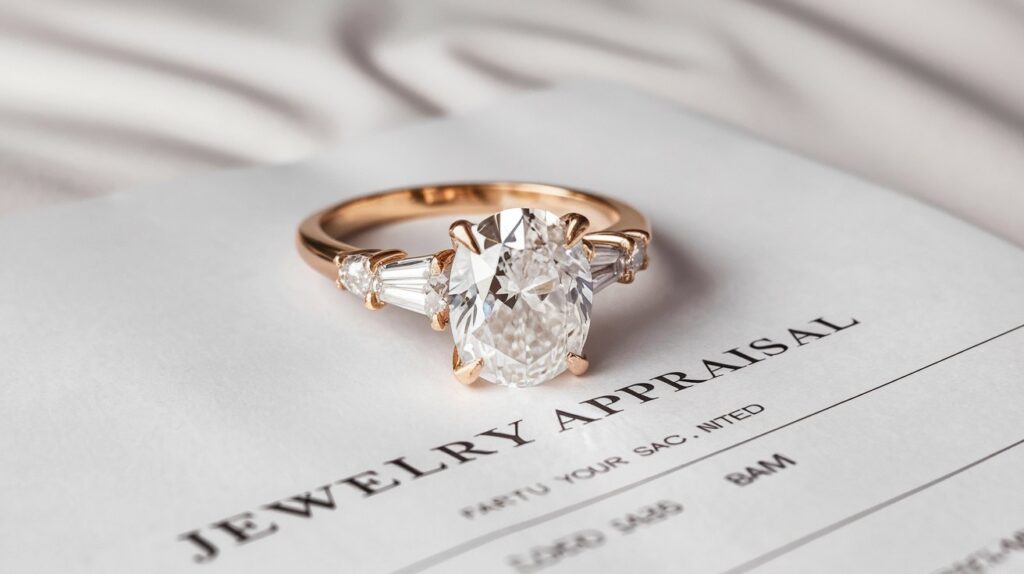
A jewelry appraisal is a professional assessment that determines the value, authenticity, and characteristics of jewelry pieces for specific purposes. Whether you need insurance coverage, estate planning, resale evaluation, or divorce settlements, understanding what a jewelry appraisal is for helps protect your valuable investments and ensures you receive accurate valuations for your precious items.
What Is a Jewelry Appraisal
A jewelry appraisal is a detailed written document prepared by a certified professional that describes and evaluates jewelry items. The appraiser examines the piece’s materials, craftsmanship, condition, and market value using specialized tools and extensive knowledge. In 2026, jewelry appraisals in the United States must follow strict industry standards set by organizations like the American Society of Appraisers and International Society of Appraisers.
The appraisal process involves testing metals for purity, evaluating gemstone quality using the 4Cs (cut, color, clarity, carat), and researching current market conditions. Professional appraisers use advanced equipment including electronic gold testers, diamond testers, and microscopes to ensure accuracy. The final document includes detailed photographs, measurements, and a comprehensive description that serves as official proof of the item’s value and authenticity.
Primary Purposes of Jewelry Appraisals
Understanding what a jewelry appraisal for various purposes helps determine which type you need. Different situations require different appraisal approaches and valuation methods. The most common reasons people seek jewelry appraisals include protecting investments, legal requirements, and financial planning decisions that require documented proof of value.
Insurance Coverage and Claims
Insurance appraisals represent the most common reason for jewelry evaluation, providing coverage against theft, loss, or damage. Insurance companies typically require appraisals for items worth $1,000 or more, and these valuations reflect replacement cost in today’s retail market. In 2026, insurance appraisals in the United States average 25-35% higher than fair market value to account for retail markups and inflation trends affecting the jewelry industry.
Estate Planning and Inheritance
Estate appraisals determine fair market value for inheritance tax purposes and equitable distribution among heirs. These evaluations follow IRS guidelines and must be performed by certified appraisers within specific timeframes. Unlike insurance appraisals, estate valuations reflect what items would sell for in the current secondary market, typically 40-60% lower than replacement cost depending on the piece’s rarity and demand.
Divorce and Legal Settlements
Legal proceedings often require jewelry appraisals to divide marital assets fairly during divorce settlements. Courts accept only certified appraisals performed by qualified professionals within 90 days of filing. These valuations typically use fair market value standards and must include detailed documentation of methodology, comparable sales data, and current market conditions affecting jewelry values in 2026.
Types of Jewelry Appraisal Values
Different appraisal types serve specific purposes and result in varying value conclusions. Understanding these distinctions helps ensure you request the appropriate evaluation for your needs. Each type follows different methodologies and considers distinct market factors when determining final valuations.
Replacement Value for Insurance
Replacement value appraisals estimate the cost to replace an item with one of similar quality and characteristics at current retail prices. These typically represent the highest valuation type, often 2-3 times higher than what you might receive selling the item. Insurance companies use these figures to calculate premiums and settlement amounts, making accuracy crucial for adequate coverage without overpaying for insurance.
Fair Market Value Assessment
Fair market value represents what a willing buyer would pay a willing seller in an open market transaction. This valuation method considers recent comparable sales, current demand trends, and realistic selling timeframes. Fair market value typically ranges 40-70% below replacement cost and provides the most realistic expectation for resale scenarios or estate planning purposes.
Liquidation Value for Quick Sales
Liquidation value appraisals estimate what items would bring in forced sale situations, such as auctions or immediate cash needs. These represent the lowest valuation category, often 20-40% of replacement cost. While rarely requested, liquidation values help in bankruptcy proceedings, urgent financial situations, or when selling to dealers who need profit margins for resale.
How Much Does a Jeweler Charge to Appraise Jewelry
Professional jewelry appraisal costs in the United States range from $75-$300 per item in 2026, depending on complexity, value, and geographic location. Simple pieces like basic diamond solitaires typically cost $75-$150, while elaborate antique pieces or high-value items may reach $200-$300. Most appraisers charge flat fees rather than percentage-based pricing, ensuring objective valuations regardless of the item’s worth.
Factors affecting appraisal costs include the appraiser’s credentials, location, item complexity, and turnaround time needed. Rush jobs often carry 50-100% surcharges. Urban areas like New York, Los Angeles, and Chicago command higher fees than rural locations. Certified appraisers with advanced credentials from ASA or AAA typically charge premium rates but provide more defensible documentation for legal and insurance purposes.
When You Should Get Your Jewelry Appraised
Timing plays a crucial role in jewelry appraisal accuracy and relevance. Market conditions, insurance requirements, and life circumstances all influence when appraisals should be obtained or updated. Understanding optimal timing helps ensure valuations remain current and serve their intended purposes effectively.
New purchases should be appraised within 30 days for insurance purposes, while inherited pieces require immediate evaluation for tax planning. Existing appraisals should be updated every 3-5 years to reflect market changes, with insurance appraisals potentially needing more frequent updates during periods of significant precious metal or gemstone price volatility that characterized 2024-2026 markets.
Where to Get Your Jewelry Appraised
Choosing qualified appraisers ensures accurate valuations and professional documentation. Certified appraisers hold credentials from recognized organizations like the American Society of Appraisers, American Appraisers Association, or International Society of Appraisers. These professionals complete extensive education, testing, and continuing education requirements that guarantee competency in current market conditions and appraisal methodologies.
Independent jewelry appraisers typically provide the most objective valuations since they have no sales incentives. Avoid appraisals from jewelry stores where you might purchase replacements, as these create potential conflicts of interest. Many insurance companies maintain preferred appraiser networks, while banks and attorneys can provide referrals for estate and legal purposes. Online appraisal services exist but lack the hands-on examination necessary for accurate precious metal and gemstone evaluation.
What Happens During a Jewelry Appraisal Process
The professional appraisal process begins with detailed visual examination under magnification to assess condition, craftsmanship, and identifying marks. Appraisers test metal purity using electronic testers or acid testing, measure dimensions precisely, and weigh items to determine metal content. Gemstones undergo evaluation for the 4Cs using specialized instruments including refractometers, microscopes, and color grading environments.
Documentation includes detailed photography from multiple angles, comprehensive written descriptions, and research into comparable market data. The appraiser considers factors like brand reputation, rarity, condition, and current market trends before reaching value conclusions. Final reports include methodology explanations, limiting conditions, and certification statements that meet professional standards for intended use purposes.
What Not to Say to an Appraiser
Maintaining objectivity during the appraisal process requires avoiding statements that might influence the appraiser’s professional judgment. Never mention what you paid for items, insurance coverage amounts, or desired values, as these create bias that compromises accuracy. Professional appraisers base conclusions on physical evidence and market research, not owner expectations or financial needs.
Avoid providing purchase receipts or previous appraisals until after the initial examination, allowing the appraiser to form independent conclusions. Don’t discuss sentimental value or family history during the evaluation, though this information can be included in final documentation for identification purposes. Pressuring for specific values or timelines undermines the professional process and may result in inaccurate or unusable documentation.
Is a Jewelry Appraisal Worth the Investment
Professional jewelry appraisals provide essential financial protection and legal documentation that far outweigh their modest costs. For insurance purposes, accurate appraisals ensure adequate coverage without overpaying premiums, while estate planning requires certified valuations for tax compliance and fair distribution. The average $150 appraisal fee represents less than 1% of most valuable jewelry pieces’ worth.
Beyond financial protection, appraisals provide peace of mind through authentication and condition documentation. In 2026’s evolving jewelry market, where synthetic gemstones and enhanced treatments require expert identification, professional evaluation protects against fraud and ensures informed ownership decisions. The worth of proper documentation becomes evident during insurance claims, legal proceedings, or sale negotiations where undocumented items face valuation disputes and reduced settlements.
Related video about what is a jewelry appraisal for
This video complements the article information with a practical visual demonstration.
Frequently Asked Questions
How often should I update my jewelry appraisal for insurance?
Insurance appraisals should be updated every 3-5 years to reflect current market values and inflation. However, during periods of significant precious metal price volatility like 2024-2026, annual updates may be necessary to maintain adequate coverage without overpaying premiums.
Can I use the same appraisal for insurance and estate planning?
No, different purposes require different appraisal types. Insurance appraisals use replacement value methodology, while estate planning requires fair market value assessments. Using the wrong type can result in tax complications or inadequate insurance coverage.
What credentials should I look for in a jewelry appraiser?
Look for certified appraisers with credentials from the American Society of Appraisers (ASA), American Appraisers Association (AAA), or International Society of Appraisers (ISA). These organizations require extensive education, testing, and continuing education to maintain certification.
How long does a professional jewelry appraisal take?
Simple pieces typically require 30-60 minutes for examination, with final written reports delivered within 5-10 business days. Complex antique pieces or items requiring additional research may take 2-3 weeks for completion, while rush services are available for additional fees.
Do online jewelry appraisal services provide accurate valuations?
Online services cannot provide accurate valuations since they lack hands-on examination necessary for metal testing, gemstone grading, and condition assessment. Professional in-person evaluation remains essential for insurance, legal, and estate planning purposes requiring defensible documentation.
What documents should I bring to a jewelry appraisal appointment?
Bring any available documentation such as purchase receipts, previous appraisals, or certificates, but don’t show them until after the initial examination to avoid bias. Also provide information about the appraisal’s intended purpose to ensure appropriate methodology and valuation standards.
| Appraisal Purpose | Value Type Used | Primary Benefit |
|---|---|---|
| Insurance Coverage | Replacement Value | Adequate protection against loss |
| Estate Planning | Fair Market Value | Tax compliance and fair distribution |
| Legal Proceedings | Fair Market Value | Court-accepted asset division |
| Resale Planning | Fair Market Value | Realistic selling expectations |