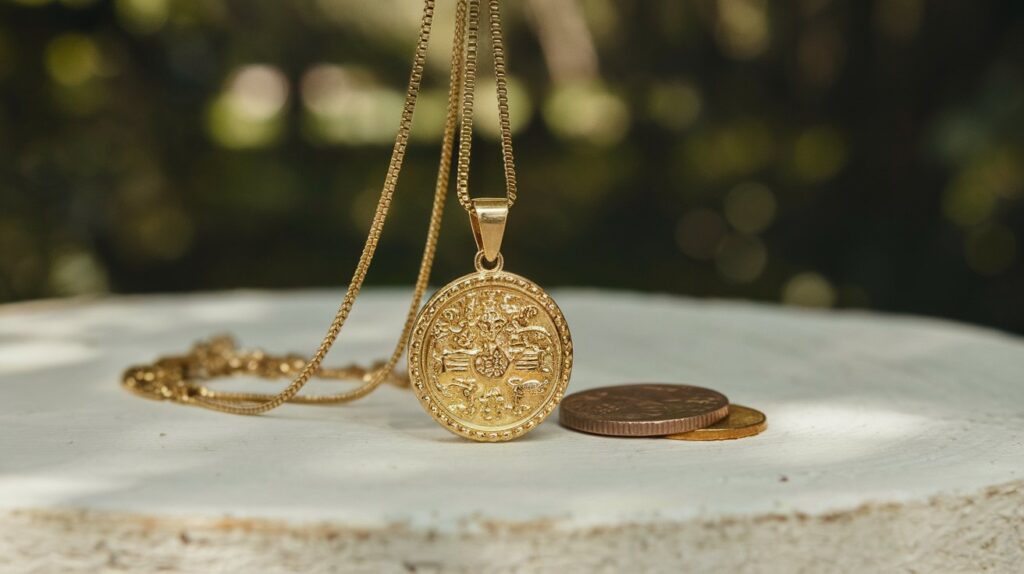
Learning how to spot fake gold jewelry protects you from costly counterfeits and ensures your investments hold their value. With the U.S. jewelry market experiencing a 15% increase in counterfeit gold pieces in 2026, knowing reliable testing methods has become essential for consumers. These proven techniques help you identify real gold from plated or fake alternatives using simple household items.
Visual Inspection Signs of Fake Gold Jewelry
The first step in learning how to spot fake gold jewelry involves careful visual examination. Authentic gold maintains consistent color throughout, while fake pieces often show discoloration at stress points like clasps, joints, and areas with frequent contact. Look for green or black marks on your skin after wearing the jewelry, as these indicate copper or nickel content common in fake gold.
Real gold jewelry features hallmark stamps indicating karat purity such as 10K, 14K, 18K, or 24K. Genuine pieces also display manufacturer marks or country of origin stamps. Fake gold often lacks these markings or shows inconsistent stamping quality. The weight difference between real and fake gold is significant – authentic gold feels substantially heavier due to its density of 19.3 grams per cubic centimeter.
Karat Marking Authentication
Authentic gold jewelry displays precise karat markings that indicate purity levels. In the United States, common markings include 10K (41.7% gold), 14K (58.3% gold), 18K (75% gold), and 24K (99.9% gold). Fake jewelry often shows incorrect markings like 925 (sterling silver) on supposedly gold pieces or uses non-standard numbers like 8K or 26K that don’t exist in legitimate gold grading systems.
Color and Finish Analysis
Real gold maintains its characteristic golden hue without tarnishing or changing color over time. Fake gold jewelry often appears too bright, too dull, or shows unnatural color variations. Gold-plated pieces reveal different colored metal underneath at worn edges, while solid gold maintains consistent coloration throughout the entire piece, even when scratched or worn.
Home Testing Methods for Gold Authentication
Several reliable home testing methods help verify gold authenticity without professional equipment. These techniques use common household items and provide immediate results. The most effective methods include magnet testing, water displacement tests, and chemical reactions that reveal gold’s unique properties.
Each testing method offers different advantages and accuracy levels. Combining multiple tests increases reliability and provides comprehensive verification. These methods work effectively for most jewelry types and require minimal investment in testing materials.
Magnet Testing Procedure
The magnet test represents the simplest method for initial gold verification. Real gold shows no magnetic attraction to strong magnets, while fake gold containing iron, nickel, or steel demonstrates clear magnetic pull. Use a powerful neodymium magnet for accurate results, as weak refrigerator magnets may not detect subtle magnetic properties in gold-plated pieces.
Water Float and Density Testing
Water displacement testing leverages gold’s exceptional density to identify authentic pieces. Fill a graduated cylinder or measuring cup with water, note the initial level, then submerge the jewelry completely. Real gold displaces significantly less water than fake alternatives due to its high density, creating measurable differences in water level changes.
Chemical Testing Techniques at Home
Chemical testing provides definitive results for gold authentication using household substances. These methods create controlled chemical reactions that reveal gold’s unique properties and distinguish authentic pieces from counterfeits.
Vinegar Testing Method
The vinegar test exploits gold’s resistance to acidic corrosion. Place the jewelry in white vinegar for 15 minutes, then examine for color changes or corrosion. Real gold maintains its appearance and shows no reaction, while fake gold often discolors, tarnishes, or shows green oxidation. This method works effectively for detecting gold-plated items with base metal cores.
Makeup Foundation Testing
Foundation makeup testing reveals gold authenticity through skin contact reactions. Apply liquid foundation to clean skin, then rub the gold jewelry across the foundation layer. Real gold creates a distinct black or dark green mark on foundation, while fake gold produces no mark or shows different color reactions due to alternative metal composition.
Professional Grade Testing Options
Professional testing methods provide definitive gold verification with laboratory-grade accuracy. These techniques use specialized equipment and procedures that eliminate guesswork and provide precise composition analysis.
Electronic Gold Testing Devices
Electronic gold testers measure electrical conductivity to determine gold purity levels within seconds. These devices cost between $150-$500 in 2026 and provide accuracy rates exceeding 95% for gold identification. Professional jewelers and pawn shops commonly use these instruments for quick verification, making them worthwhile investments for frequent gold purchasers.
Acid Testing Procedures
Acid testing remains the gold standard for professional gold verification. This method uses nitric acid solutions of varying concentrations to test different karat levels. The jewelry shows specific color reactions corresponding to gold purity, with 14K gold producing different results than 18K or 24K gold. Professional testing kits include multiple acid strengths for comprehensive analysis.
Common Fake Gold Types and Identification
Understanding different fake gold types helps recognize specific counterfeiting techniques. Gold-filled jewelry contains a thick layer of real gold over base metal, while gold-plated pieces use thin gold coatings that wear away quickly. Gold vermeil applies gold plating over sterling silver, creating higher quality than standard gold-plated items.
Brass and bronze jewelry often masquerades as gold due to similar coloration. These metals tarnish rapidly and leave green marks on skin, clearly distinguishing them from authentic gold. Pinchbeck, a copper-zinc alloy, closely mimics gold’s appearance but fails density and chemical tests consistently.
Price and Purchase Location Red Flags
Extremely low prices for supposedly high-karat gold jewelry indicate potential counterfeiting. In 2026, legitimate 14K gold sells for approximately $35-45 per gram, making deeply discounted pieces highly suspicious. Street vendors, temporary jewelry stands, and unestablished online sellers pose higher counterfeit risks than established jewelry retailers with verification guarantees.
Legitimate gold sellers provide certification documentation and offer return policies for authenticity concerns. Avoid purchases from vendors who refuse testing, lack proper business licensing, or pressure immediate buying decisions. Established jewelry stores maintain relationships with certified appraisers and welcome third-party verification of their products.
Protecting Yourself from Gold Jewelry Fraud
Document all gold jewelry purchases with detailed receipts, photographs, and certification paperwork. Request written authenticity guarantees from sellers and verify their return policies before completing transactions. Research seller reputations through Better Business Bureau ratings and customer reviews from verified purchasers.
Consider professional appraisals for expensive pieces exceeding $500 in value. Certified gemological appraisers provide detailed analysis reports that serve as documentation for insurance purposes and future resale verification. These appraisals typically cost $75-200 but protect against significant financial losses from counterfeit purchases.
Related video about how to spot fake gold jewelry
This video complements the article information with a practical visual demonstration.
Everything you need to know about how to spot fake gold jewelry
What are the most reliable signs of fake gold jewelry?
The most reliable signs include magnetic attraction to strong magnets, skin discoloration after wearing, missing or incorrect karat markings, unusually light weight, and color changes when exposed to vinegar. Real gold maintains consistent golden color, feels heavy, shows proper hallmarks, and never reacts to magnets or acidic substances.
Can vinegar really tell if gold is real?
Yes, vinegar effectively identifies fake gold through acid reaction testing. Real gold shows no reaction when submerged in white vinegar for 15 minutes, while fake gold often tarnishes, discolors, or shows green oxidation. This method works particularly well for detecting gold-plated jewelry with base metal cores.
What color does gold turn when it’s fake?
Fake gold often turns green, black, or develops dark discoloration when exposed to skin moisture, vinegar, or other testing methods. Real gold never changes color or tarnishes. Gold-plated pieces may show underlying metal colors like copper or silver when the thin gold layer wears away.
Can you visually tell the difference between 14K and 18K gold?
Visual differences between 14K and 18K gold are subtle but detectable. 18K gold appears slightly more yellow and lustrous due to higher gold content (75% vs 58.3%). 14K gold often looks slightly paler and may show more durability due to higher alloy content. Professional testing provides definitive karat determination.
How accurate are home testing methods for gold verification?
Home testing methods achieve 85-95% accuracy when multiple techniques are combined. Magnet testing, vinegar reactions, and density tests provide reliable initial screening. However, sophisticated counterfeits may require professional electronic testing or acid analysis for definitive verification, especially for expensive pieces.
What should I do if I discover my gold jewelry is fake?
Contact the seller immediately with documentation and testing evidence if purchased recently. File complaints with your state’s consumer protection agency and the Better Business Bureau. For credit card purchases, dispute the charges citing misrepresentation. Consider small claims court for significant losses and always keep detailed purchase records for future reference.
| Testing Method | Accuracy Level | Best Use Case |
|---|---|---|
| Magnet Test | 85% accurate | Initial screening for obvious fakes |
| Vinegar Test | 90% accurate | Detecting gold-plated jewelry |
| Professional Testing | 98% accurate | Expensive pieces verification |