Yes, rose gold is real gold mixed with copper and silver alloys to create its distinctive pinkish hue. In 2026, rose gold jewelry remains a valuable investment, with 18k rose gold containing 75% pure gold and 14k containing 58.3% pure gold. Understanding the composition, value, and market trends of rose gold helps consumers make informed purchasing decisions in today’s competitive jewelry market.
What is Rose Gold and How is it Made?
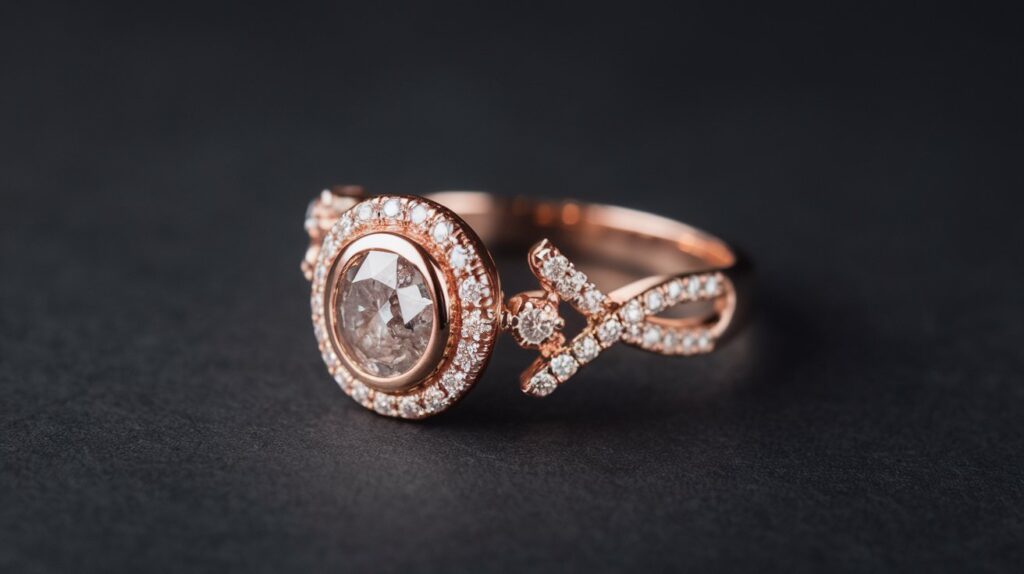
Rose gold is an authentic gold alloy created by combining pure gold with copper and small amounts of silver. The distinctive pink color comes from the copper content, which gives rose gold its romantic appearance that has captivated jewelry lovers since the early 1800s. The gold content in rose gold determines its karat rating, with higher karat numbers indicating more pure gold and greater value.
The manufacturing process involves melting pure gold at approximately 1,948 degrees Fahrenheit and carefully adding precise amounts of copper and silver. In 2026, modern jewelry manufacturers use advanced techniques to ensure consistent color and durability. The typical composition for 18k rose gold includes 75% pure gold, 22.25% copper, and 2.75% silver, while 14k rose gold contains 58.3% pure gold with higher alloy percentages.
Rose Gold Karat Classifications
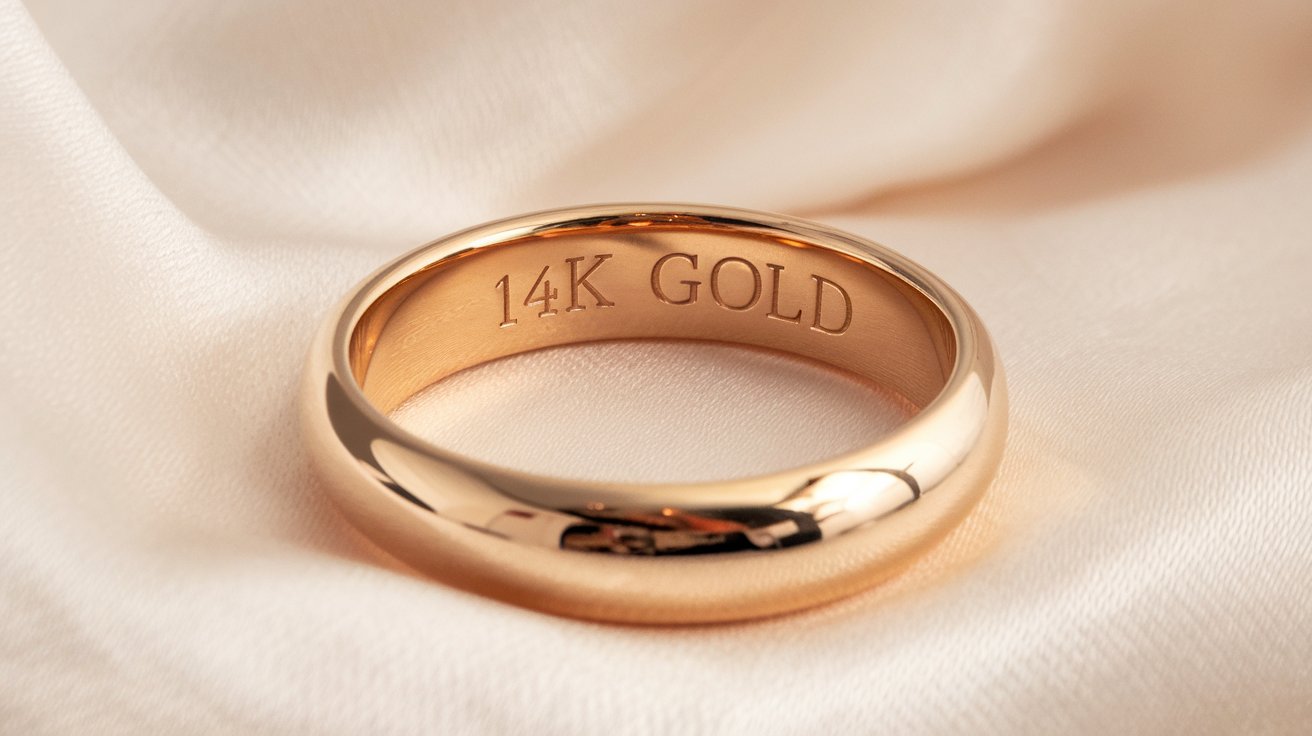
In the United States, 18k rose gold represents the premium standard, containing 75% pure gold and commanding higher prices due to its superior gold content. The 14k variety offers excellent durability with 58.3% pure gold, making it popular for everyday jewelry. Lower karat options like 10k rose gold contain 41.7% pure gold but provide maximum durability for active lifestyles while maintaining the characteristic rose color.
Alloy Composition and Color Variations
The copper percentage directly affects the intensity of the pink hue, with higher copper content producing deeper rose tones. Some manufacturers add palladium or zinc to modify the color and improve workability. These alloy variations explain why rose gold jewelry can range from subtle blush tones to deep copper-pink shades, all while maintaining the fundamental gold composition that makes it valuable.
Is Rose Gold as Good as Regular Gold?
Rose gold offers comparable quality to yellow gold when considering the same karat rating, as both contain identical amounts of pure gold. The primary differences lie in appearance, durability characteristics, and market preferences rather than intrinsic value. In 2026, rose gold jewelry maintains excellent resale value, particularly for well-crafted pieces from reputable manufacturers.
The durability of rose gold actually exceeds that of yellow gold due to the copper content, which increases hardness and scratch resistance. This makes rose gold an excellent choice for engagement rings and daily-wear jewelry. However, the copper can cause slight skin discoloration in sensitive individuals, though this occurs less frequently with higher karat rose gold pieces.
Durability and Hardness Comparison
The copper alloy in rose gold creates superior hardness compared to pure gold or yellow gold alloys. On the Mohs hardness scale, 14k rose gold typically rates 2.5-3, while pure gold rates only 2.5. This increased durability means rose gold jewelry experiences less wear and maintains its appearance longer, making it particularly worth buying for frequently worn pieces.
Value Retention and Investment Potential
Market data from 2026 shows that rose gold jewelry retains value effectively, with high-quality pieces appreciating alongside gold market trends. The unique aesthetic appeal creates additional demand beyond the base gold value, particularly in designer and vintage pieces. Investment-grade rose gold jewelry often outperforms standard gold pieces due to craftsmanship premiums and style desirability.
Rose Gold vs Yellow Gold: Which is Better?
The choice between rose gold or yellow gold depends on personal style preferences, skin tone compatibility, and intended use. Rose gold complements warm and cool skin tones equally well, while yellow gold traditionally favors warm undertones. In 2026, fashion trends show rose gold gaining popularity among younger demographics, while yellow gold remains classic and timeless.
From a practical standpoint, rose gold offers superior scratch resistance and maintains its color without requiring rhodium plating like white gold. Yellow gold provides the traditional luxury appearance associated with fine jewelry and typically commands slightly higher resale values in established markets. Both options represent real gold investments with distinct aesthetic and practical advantages.
Aesthetic and Style Considerations
The romantic, vintage-inspired appearance of rose gold pairs beautifully with gemstones, particularly diamonds, morganite, and pearls. Its warm tone creates stunning contrast with white diamonds and complements colored stones exceptionally well. Yellow gold maintains traditional elegance and works excellently with classic jewelry designs, making it the preferred choice for heirloom pieces.
Market Trends and Popularity
Current 2026 market analysis reveals that rose gold engagement rings account for approximately 35% of new purchases in the United States, reflecting strong consumer preference for this distinctive metal. The trend toward mixed metal jewelry has also increased demand, with many pieces combining rose gold with yellow or white gold for unique design elements.
How Much is Rose Gold Worth in 2026?
The value of rose gold directly correlates with current gold prices and the piece’s karat rating. As of 2026, one gram of 18k rose gold trades at approximately $45-50, while 14k rose gold ranges from $35-40 per gram in the United States. These prices fluctuate with global gold markets but remain consistently valuable due to the substantial pure gold content.
Professional appraisals consider factors beyond raw gold value, including craftsmanship quality, brand reputation, and design complexity. High-end rose gold jewelry from luxury brands commands premium prices, often 2-3 times the base metal value. Vintage and antique rose gold pieces frequently exceed contemporary market rates due to rarity and historical significance.
Is Rose Gold Expensive and Worth Buying?
Rose gold is expensive compared to fashion jewelry but offers excellent value within the precious metals category. The cost reflects the genuine gold content, sophisticated alloy engineering, and skilled craftsmanship required for quality pieces. In 2026, consumers increasingly view rose gold as a worthwhile investment due to its durability, timeless appeal, and strong resale market.
When evaluating whether rose gold is worth buying, consider the piece’s intended use, quality indicators like hallmarking and certification, and the reputation of the manufacturer. High-quality rose gold jewelry maintains value better than lower-grade alternatives and provides decades of enjoyment with proper care. The unique aesthetic and proven durability make it an excellent choice for both personal enjoyment and investment purposes.
Disadvantages and Considerations of Rose Gold
While rose gold offers many advantages, potential buyers should understand its limitations. The copper content can cause skin discoloration in individuals with high skin acidity or copper sensitivity, though this affects less than 5% of wearers. The distinctive color may not complement all gemstones or personal style preferences as universally as yellow or white gold options.
Maintenance considerations include the potential for slight color changes over time as the copper oxidizes, creating a deeper patina that many find desirable but others may not prefer. Rose gold also offers fewer matching options when building jewelry collections, as the specific color must coordinate with existing pieces. However, these disadvantages are minor compared to the metal’s overall benefits and unique aesthetic appeal.
Is Rose Gold Pawnable and Resale Value
Yes, rose gold is pawnable and widely accepted by pawn shops, jewelry buyers, and precious metals dealers throughout the United States. The real gold content ensures immediate liquidity, with pawn values typically ranging from 60-80% of current market gold prices depending on karat rating and condition. Reputable dealers recognize rose gold’s intrinsic value and treat it equivalently to other gold alloys.
Resale markets for quality rose gold jewelry remain robust in 2026, with online platforms, auction houses, and specialty jewelry buyers actively purchasing pieces. Designer and vintage rose gold commands premium prices above melt value, while contemporary pieces typically sell for 70-85% of retail pricing in good condition. The growing popularity ensures strong demand for quality rose gold jewelry in secondary markets.
Related video about is rose gold real gold
This video complements the article information with a practical visual demonstration.
Everything you need to know about is rose gold real gold
Is 18k rose gold real gold?
Yes, 18k rose gold contains 75% pure gold mixed with copper and silver alloys. The 18k marking guarantees authentic gold content, making it valuable and suitable for fine jewelry. The remaining 25% consists of copper (which creates the rose color) and silver for durability and workability.
How much is 1 gram of rose gold worth?
In 2026, one gram of 18k rose gold is worth approximately $45-50, while 14k rose gold ranges from $35-40 per gram. The value fluctuates with global gold prices and depends on the karat rating. Higher karat rose gold contains more pure gold and commands higher prices per gram.
What are the disadvantages of rose gold?
Rose gold disadvantages include potential skin discoloration for copper-sensitive individuals, limited color coordination options, and slight color changes over time due to copper oxidation. However, these issues affect less than 5% of wearers and are considered minor compared to the metal’s durability and aesthetic benefits.
Is rose gold as good as regular gold?
Rose gold is as good as yellow gold when comparing the same karat ratings, as both contain identical amounts of pure gold. Rose gold actually offers superior durability due to copper content, making it more scratch-resistant than yellow gold while maintaining equivalent value and purity levels.
Is rose gold worth buying in 2026?
Yes, rose gold is worth buying in 2026 due to its genuine gold content, superior durability, strong resale value, and growing market popularity. Quality pieces maintain value well and offer both aesthetic appeal and investment potential, particularly from reputable manufacturers with proper certification.
Rose gold or yellow gold which is better?
Neither is objectively better, as the choice depends on personal preferences and intended use. Rose gold offers superior durability and modern appeal, while yellow gold provides classic elegance and slightly higher traditional resale values. Both represent excellent investments in authentic precious metals with distinct aesthetic advantages.
| Rose Gold Aspect | Key Details | Value Benefit |
|---|---|---|
| Gold Content | 75% pure gold in 18k, 58.3% in 14k | Real investment value |
| Durability | Superior hardness from copper alloy | Longer lasting jewelry |
| Market Value 2026 | $45-50 per gram for 18k | Strong resale potential |
| Aesthetic Appeal | Unique romantic pink hue | Distinctive luxury appearance |