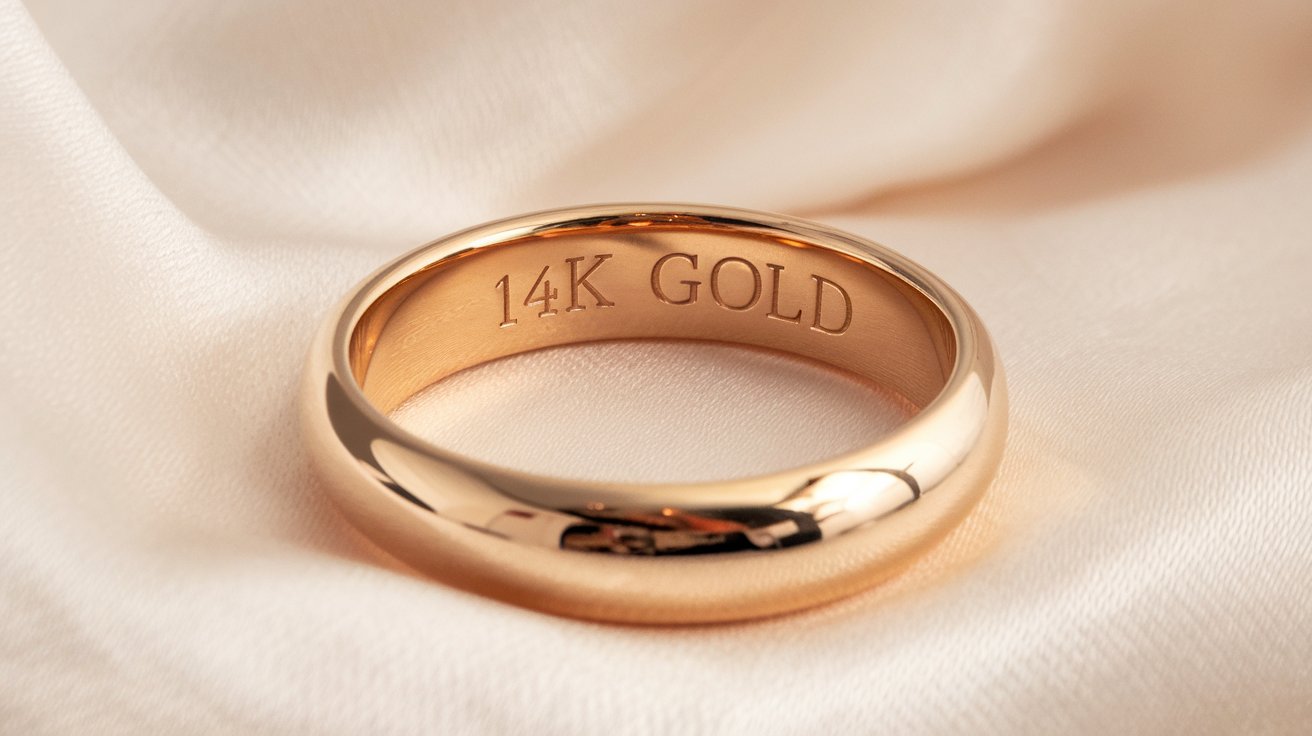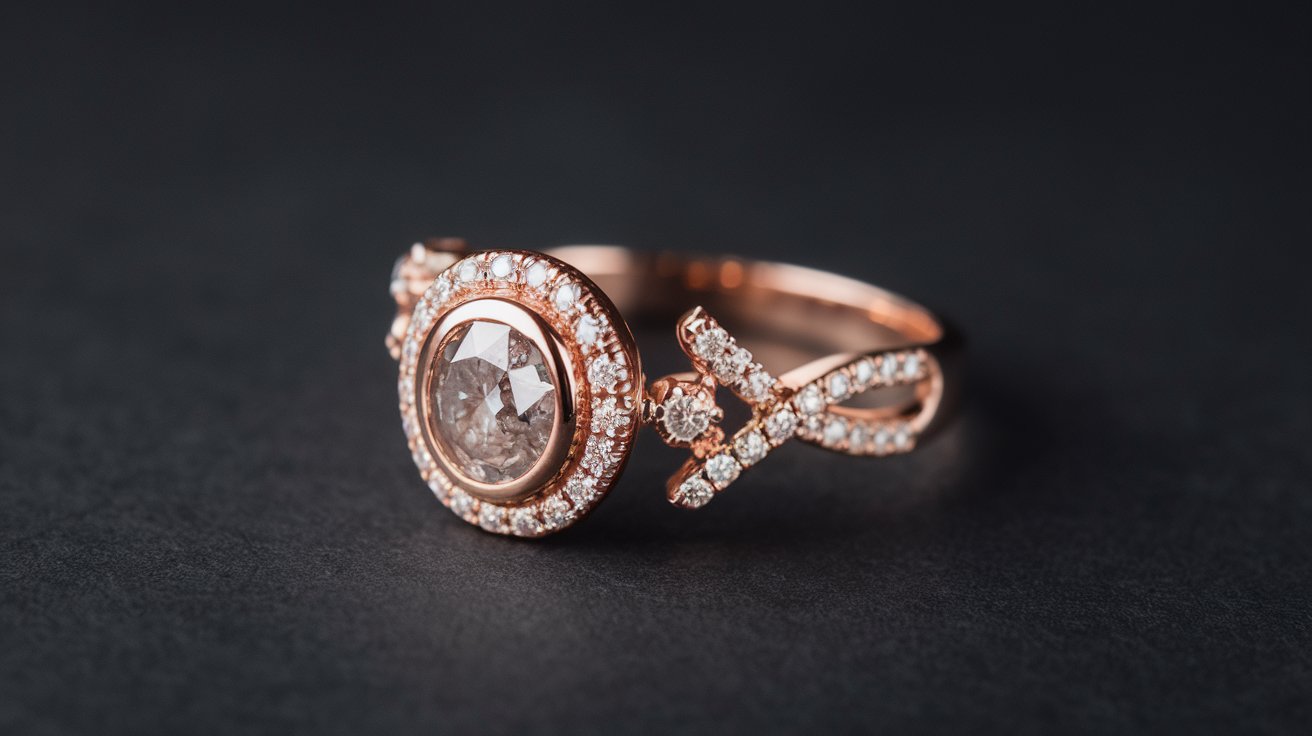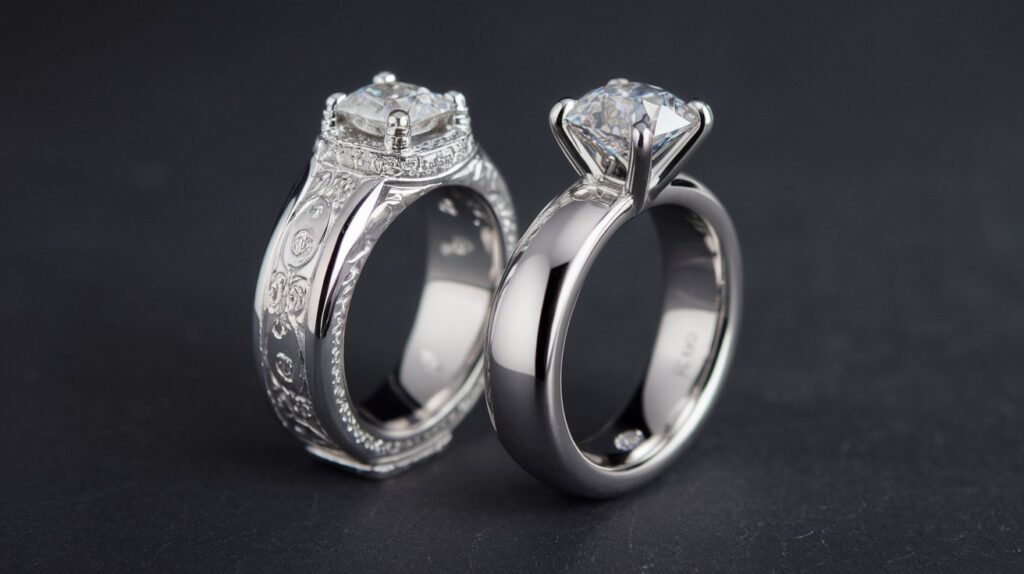
The choice between white gold and platinum remains one of the most important decisions when purchasing fine jewelry in 2026. Both metals offer stunning aesthetics and durability, but they differ significantly in composition, cost, and long-term maintenance requirements. Understanding these key differences will help you make an informed decision that aligns with your budget and lifestyle preferences.
Fundamental Composition and Purity Differences
White gold is an alloy created by mixing pure gold with white metals like palladium, platinum, or nickel, typically containing 58.3% to 75% gold content depending on the karat rating. The remaining percentage consists of these whitening metals that give white gold its distinctive appearance. Most jewelry pieces use 14K or 18K white gold, with 18K containing approximately 75% pure gold and commanding higher prices due to increased gold content.
Platinum jewelry maintains a purity level of 90-95% in most fine jewelry pieces, making it significantly purer than white gold alternatives. The remaining 5-10% typically consists of other platinum group metals like palladium, rhodium, or ruthenium. This high purity level contributes to platinum’s hypoallergenic properties and explains why many consumers with sensitive skin prefer platinum over white gold options.
18K White Gold Composition Analysis
The most popular 18K white gold contains 75% pure gold combined with 25% alloy metals, creating a durable yet workable material for intricate jewelry designs. The specific alloy combination affects both color consistency and durability, with palladium-based alloys typically producing whiter tones than nickel-based alternatives. This composition strikes an optimal balance between gold content and practical wearability for daily jewelry pieces.
Platinum Purity Standards in Fine Jewelry
Platinum jewelry in the United States typically features 95% platinum content, marked as Plat or 950 Plat on quality pieces. This exceptional purity ensures consistent color throughout the metal’s structure and eliminates concerns about allergic reactions that sometimes occur with white gold alloys. The remaining 5% usually consists of ruthenium or palladium, enhancing durability without compromising the metal’s natural white appearance.
Cost Analysis and Price Comparison 2026
In 2026, platinum typically costs 40-60% more than comparable white gold jewelry, reflecting both the metal’s rarity and higher purity levels. A standard engagement ring setting in platinum averages $2,800-$4,500, while the same design in 18K white gold ranges from $1,800-$3,200. These price differences stem from platinum’s density, requiring more raw material for identical pieces, and the metal’s limited global supply compared to gold.
White gold pricing varies significantly based on karat content and current gold market values, with 14K white gold offering the most budget-friendly option at approximately 30-40% less than 18K alternatives. Labor costs for platinum jewelry often exceed white gold by 15-25% due to the specialized tools and techniques required for working with this dense metal, contributing to overall price disparities in the retail market.
Durability and Maintenance Requirements
Platinum durability surpasses white gold in most practical applications, with superior scratch resistance and dimensional stability over decades of regular wear. While platinum does develop a patina over time, this natural aging process actually increases the metal’s character rather than diminishing its appearance. The metal’s density means that when scratched, material displacement occurs rather than actual metal loss, allowing skilled jewelers to restore original finishes through professional polishing.
White gold maintenance requires periodic rhodium plating to maintain its bright white appearance, typically every 12-24 months depending on wear patterns and skin chemistry. This ongoing maintenance adds $75-$150 annually to ownership costs but ensures consistent color matching with diamonds and other white metals in jewelry collections. Without regular replating, white gold gradually reveals its natural yellowish tone as the rhodium coating wears away.
Long-term Wear Patterns
Over extended periods, platinum jewelry develops a distinctive patina that many collectors consider highly desirable, creating an antique appearance without compromising structural integrity. This natural aging process occurs gradually over years of wear, resulting in a softer, more muted finish that complements vintage-style settings and enhances the overall character of heirloom pieces.
Professional Maintenance Schedules
Optimal care for white gold requires professional inspection and potential rhodium replating every 18-24 months, while platinum pieces benefit from professional cleaning and minor refinishing every 2-3 years. These maintenance schedules help preserve the metal’s appearance and ensure proper prong security for mounted gemstones, protecting valuable investments in fine jewelry collections.
Hypoallergenic Properties and Skin Sensitivity
Platinum stands out as the superior choice for individuals with sensitive skin or known metal allergies, thanks to its exceptional purity and hypoallergenic properties. The metal contains no nickel, copper, or other common allergens that frequently cause skin reactions in sensitive individuals. Medical professionals often recommend platinum for patients with contact dermatitis or those who have experienced adverse reactions to other jewelry metals.
White gold allergy risks vary significantly based on the specific alloy composition, with nickel-containing varieties posing the highest risk for sensitive skin reactions. European regulations have largely eliminated nickel from white gold alloys, but older pieces and some international manufacturers may still use nickel-based formulations. Palladium white gold offers a hypoallergenic alternative that approaches platinum’s skin-friendly properties while maintaining gold’s traditional characteristics.
Appearance and Color Characteristics
The visual differences between white gold and platinum remain subtle but discernible to trained observers, with platinum displaying a naturally cooler, more grayish-white tone compared to white gold’s brighter, more reflective finish. Fresh rhodium plating on white gold creates an extremely bright, mirror-like surface that actually appears whiter than natural platinum, though this enhanced brightness diminishes over time as the coating wears.
Color consistency represents a significant advantage for platinum, maintaining its natural hue throughout the metal’s structure without relying on surface treatments. White gold’s appearance depends heavily on rhodium plating condition, creating potential color variations as the coating ages and requires renewal. These characteristics influence jewelry selection, particularly for pieces intended for daily wear or long-term collection purposes.
Natural Metal Tones
Unplated white gold reveals a subtle champagne or light yellow tint that reflects the underlying gold content, while platinum maintains its consistent grayish-white appearance regardless of age or wear conditions. These natural color variations become more apparent when comparing metals side by side or when rhodium plating begins to wear thin on white gold pieces.
Surface Finish Options
Both metals accept various surface treatments beautifully, though platinum holds brushed, satin, and matte finishes more consistently over time due to its natural stability. White gold achieves brilliant high-polish finishes that complement diamond settings exceptionally well, though maintaining these finishes requires more frequent professional attention to preserve optimal appearance.
Best Applications for Each Metal
Engagement rings and wedding bands represent ideal applications for both metals, though platinum’s durability advantages make it particularly suitable for daily wear pieces that must withstand years of constant use. The metal’s scratch resistance and tarnish-free properties ensure that symbolic jewelry maintains its beauty throughout decades of wear, making it a preferred choice for heirloom pieces intended for future generations.
Fashion jewelry and occasional wear pieces work excellently in white gold, where the lower cost allows for more elaborate designs and the maintenance requirements pose minimal concerns. White gold’s workability enables intricate details and delicate construction that showcase skilled craftsmanship, while the periodic rhodium renewal keeps pieces looking fresh and contemporary for special occasions.
Investment Value and Resale Considerations
From an investment perspective, platinum jewelry typically holds value more effectively due to the metal’s rarity and consistent demand in both jewelry and industrial applications. The limited global platinum supply, primarily from South African and Russian mines, supports stable long-term pricing despite short-term market fluctuations. Additionally, platinum’s purity means that a higher percentage of the purchase price represents actual precious metal value.
White gold resale values correlate directly with gold content and current precious metal markets, with 18K pieces commanding higher returns than 14K alternatives. However, the alloy components and rhodium plating add no intrinsic value, meaning that a smaller percentage of the original purchase price represents recoverable precious metal content compared to platinum alternatives.
Professional Recommendations for 2026 Buyers
Leading jewelry professionals in 2026 recommend platinum for engagement rings and wedding bands where durability and hypoallergenic properties take priority over initial cost considerations. The metal’s superior performance in daily wear situations and minimal maintenance requirements offset the higher upfront investment through reduced long-term care costs and exceptional longevity.
For fashion jewelry, anniversary gifts, and pieces worn occasionally, white gold provides excellent value while maintaining luxury appearance and craftsmanship standards. The ability to refresh white gold’s appearance through rhodium replating actually offers advantages for fashion-conscious consumers who enjoy maintaining contemporary styles and bright finishes in their jewelry collections.
Related video about white gold vs platinum difference
This video complements the article information with a practical visual demonstration.
Most asked questions about white gold vs platinum difference
Which is better, white gold or platinum?
Platinum is generally better for daily wear jewelry like engagement rings due to its superior durability, hypoallergenic properties, and maintenance-free nature. However, white gold offers excellent value for fashion jewelry and occasional wear pieces, with lower upfront costs and the ability to refresh appearance through rhodium replating.
Why do jewelers not like platinum?
Some jewelers prefer working with white gold because platinum requires specialized tools and techniques due to its density and high melting point. Platinum work demands more time and expertise, increasing labor costs. However, experienced platinum specialists appreciate the metal’s workability and the superior finished products it enables.
Will a magnet stick to platinum?
Pure platinum is not magnetic, so a strong magnet will not stick to genuine platinum jewelry. However, platinum alloys may contain small amounts of magnetic metals like cobalt or iron, causing slight magnetic attraction. This simple magnet test can help identify platinum, though professional testing provides definitive verification.
Is platinum the same as white gold?
No, platinum and white gold are completely different metals. Platinum is 90-95% pure platinum, while white gold is an alloy of gold mixed with white metals like palladium or nickel. Platinum is naturally white, hypoallergenic, and more durable, while white gold requires rhodium plating to maintain its white appearance.
How much more expensive is platinum than white gold?
Platinum typically costs 40-60% more than comparable white gold jewelry in 2026. A platinum engagement ring setting averages $2,800-$4,500, while the same design in 18K white gold costs $1,800-$3,200. The price difference reflects platinum’s rarity, purity, and the additional material needed due to its density.
Does white gold turn yellow over time?
White gold itself doesn’t turn yellow, but the rhodium plating that gives it a bright white appearance wears off over 12-24 months of regular wear. As the plating wears, the natural color of the white gold alloy becomes visible, which may appear slightly yellowish. Regular rhodium replating maintains the bright white appearance.
| Key Aspect | White Gold | Platinum |
|---|---|---|
| Purity | 58.3-75% gold content | 90-95% platinum content |
| Cost (2026) | $1,800-$3,200 (ring setting) | $2,800-$4,500 (ring setting) |
| Maintenance | Rhodium replating every 12-24 months | Professional cleaning every 2-3 years |
| Durability | Good scratch resistance | Superior scratch resistance |
| Allergies | May cause reactions (nickel alloys) | Hypoallergenic |