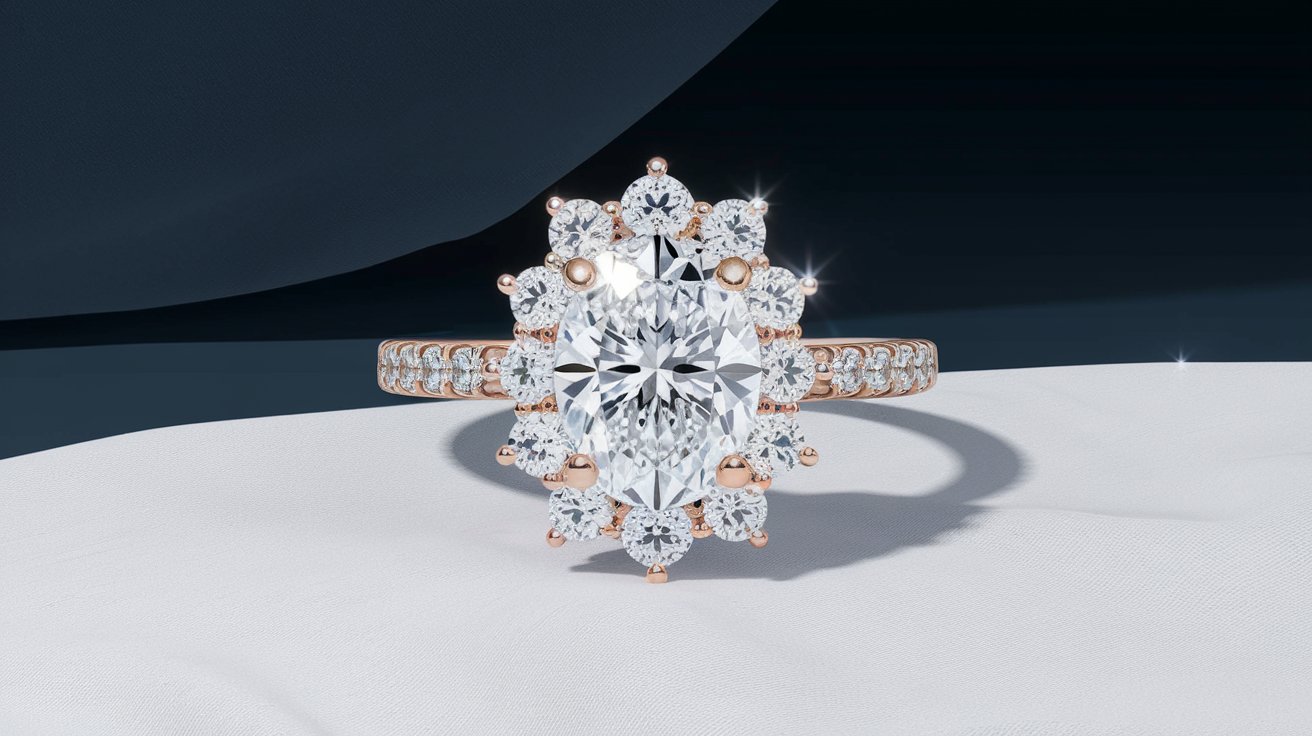
Determining how much to spend on an engagement ring is one of the most challenging decisions for couples in 2026. The traditional two-to-three month salary rule no longer applies to modern relationships, with average spending ranging from $3,000 to $8,000 based on income levels. This comprehensive guide provides salary-specific recommendations, practical budgeting strategies, and expert tips to help you choose the perfect ring without compromising your financial future.
Current Engagement Ring Spending Trends in the United States 2026
The average engagement ring cost in the United States has shifted significantly in 2026, with couples spending between $4,200 and $6,800 on average. This represents a departure from traditional spending patterns, influenced by economic factors, changing consumer priorities, and the rise of alternative diamond options. Regional variations show higher spending in metropolitan areas like New York and San Francisco, where the average engagement ring budget reaches $8,000 to $12,000.
Modern couples prioritize financial responsibility over traditional spending rules, with 68% of engaged couples in 2026 setting budgets based on their actual financial situation rather than arbitrary salary percentages. The trend toward conscious spending has led to increased popularity of lab-grown diamonds, vintage rings, and alternative gemstones as couples seek meaningful symbols without excessive financial burden.
Engagement Ring Budget by Salary: Complete Breakdown
Your engagement ring budget should align with your annual income and overall financial goals. Financial experts in 2026 recommend spending between 1-2 months of gross salary on an engagement ring, a more conservative approach than previous decades. This calculation ensures you can afford the ring without compromising essential expenses like housing, emergency funds, or debt payments.
Budget Recommendations for $60,000 Annual Income
If you make $60,000 annually, your ideal engagement ring budget ranges from $3,000 to $6,000. This allows for a quality diamond ring while maintaining financial stability. Consider focusing on cut quality over size, as a well-cut 0.75-carat diamond will appear more brilliant than a poorly cut 1-carat stone. Many couples at this income level find excellent value in lab-grown diamonds, which cost 40-60% less than natural diamonds.
Budget Recommendations for $100,000 Annual Income
With a $100,000 annual salary, your recommended engagement ring budget is $5,000 to $12,000. This income level provides more flexibility to choose between natural and lab-grown diamonds, premium settings, and designer brands. Consider allocating $7,000-$9,000 for a high-quality 1-carat natural diamond with excellent cut, color, and clarity grades that will provide lasting value and beauty.
Budget Recommendations for $300,000 Annual Income
For those earning $300,000 annually, engagement ring budgets typically range from $15,000 to $35,000. At this income level, you can afford exceptional quality natural diamonds, rare gemstones, or custom-designed pieces from renowned jewelers. However, many high-income couples still choose modest rings, prioritizing experiences, real estate, or investments over luxury jewelry.
The Truth About the Three-Month Salary Rule
The infamous three-month salary rule originated from a 1930s De Beers marketing campaign and has become increasingly irrelevant in 2026. This outdated guideline suggests spending three months of gross salary on an engagement ring, which would mean $15,000 for someone earning $60,000 annually. Financial advisors universally reject this rule as financially irresponsible, especially for younger couples with student loans, saving for homes, or building emergency funds.
Modern financial planning emphasizes personalized budgeting based on individual circumstances rather than arbitrary percentages. The three-month rule fails to consider debt levels, savings goals, living expenses, or regional cost differences. Instead, couples should determine their engagement ring budget by analyzing their discretionary income after covering essential expenses and financial goals.
Smart Budgeting Strategies for Engagement Rings
Creating a realistic engagement ring budget requires careful financial planning and honest assessment of your current situation. Start by calculating your monthly discretionary income after covering rent, groceries, utilities, debt payments, and savings contributions. Multiply this amount by 3-6 months to determine a comfortable ring budget that won’t strain your finances or delay other important goals.
Using an Engagement Ring Budget Calculator
An engagement ring calculator helps determine your ideal budget by considering income, expenses, debt, and savings goals. These tools typically recommend spending 1-2 months of net income rather than gross salary. Input your monthly take-home pay, subtract fixed expenses, and the calculator suggests an appropriate ring budget. Many couples find this approach more realistic than traditional salary-based rules.
Saving Strategies and Timeline Planning
Start saving for your engagement ring budget 6-12 months before proposing to avoid financing charges and interest payments. Open a dedicated savings account and automate transfers of $200-$500 monthly, depending on your target budget. Consider reducing discretionary spending on dining out, subscriptions, or entertainment to accelerate your savings timeline while maintaining your quality of life.
Cost-Saving Tips Without Compromising Quality
Smart shoppers can find exceptional engagement rings within budget by understanding diamond grading, exploring alternative options, and timing their purchases strategically. Focus on cut quality over size, as a well-cut diamond reflects light beautifully regardless of carat weight. Consider slightly lower color and clarity grades that appear identical to the naked eye but cost significantly less than premium grades.
Shopping during jewelry sales and promotional periods can yield savings of 20-40% on engagement rings. Major retailers offer discounts during Black Friday, Valentine’s Day, and end-of-year clearance events. Additionally, consider certified pre-owned rings, vintage pieces, or custom settings with lab-grown diamonds for maximum value without sacrificing beauty or quality.
Lab-Grown vs Natural Diamonds: Budget Impact
Lab-grown diamonds offer identical physical and optical properties to natural diamonds at 40-60% lower prices in 2026. A 1-carat lab-grown diamond with excellent specifications costs $1,200-$2,500 compared to $4,000-$8,000 for natural diamonds. This price difference allows couples to afford larger stones, higher quality grades, or premium settings within their original budget.
The choice between lab-grown and natural diamonds often comes down to personal values and budget priorities. Natural diamonds carry geological rarity and traditional appeal, while lab-grown diamonds offer environmental benefits and superior value. Both options create stunning engagement rings that symbolize your commitment while respecting your financial boundaries and personal preferences.
Alternative Engagement Ring Options
Alternative gemstones and vintage rings provide unique options for budget-conscious couples seeking distinctive engagement rings. Sapphires, emeralds, and moissanite offer brilliant colors and durability at lower costs than diamonds. Vintage and antique rings combine historical charm with exceptional value, often featuring superior craftsmanship and unique designs unavailable in contemporary pieces.
Moissanite and Other Diamond Alternatives
Moissanite engagement rings cost 85-95% less than diamonds while displaying superior brilliance and fire. This lab-created gemstone rates 9.25 on the Mohs hardness scale, ensuring durability for daily wear. A 1-carat moissanite costs $300-$800 compared to $4,000-$8,000 for natural diamonds, allowing couples to achieve stunning results within modest budgets.
Vintage and Antique Ring Considerations
Vintage engagement rings offer exceptional value, unique designs, and sustainable choices for environmentally conscious couples. Estate pieces often feature superior craftsmanship and rare design elements at 30-50% below comparable new rings. However, vintage rings may require professional inspection, potential repairs, and specialized insurance to protect your investment long-term.
Related video about how much to spend on an engagement ring
This video complements the article information with a practical visual demonstration.
Frequently Asked Questions
How much should a man spend on your engagement ring?
Men should spend an amount comfortable for their financial situation, typically 1-2 months of gross salary in 2026. The average engagement ring budget ranges from $3,000-$8,000, but personal circumstances like debt, savings goals, and living expenses should determine the final amount rather than outdated salary rules.
What is the 3 month salary rule?
The 3-month salary rule suggests spending three months of gross salary on an engagement ring, originating from 1930s diamond marketing campaigns. Financial experts in 2026 consider this rule outdated and financially irresponsible, recommending personalized budgets based on actual financial circumstances instead.
Is $10,000 a lot for an engagement ring?
$10,000 is above the national average for engagement rings in 2026, which ranges from $4,200-$6,800. This amount is appropriate for couples with household incomes above $80,000-$100,000 annually, but should align with your overall financial goals and budget rather than external expectations.
Is $5000 a lot to spend on an engagement ring?
$5,000 falls within the average engagement ring budget for 2026 and is reasonable for couples earning $50,000-$80,000 annually. This budget allows for quality diamonds, premium settings, and various options including lab-grown diamonds, vintage rings, or natural stones with good specifications.
How do I know if I’m spending too much on an engagement ring?
You’re spending too much if the ring purchase delays essential financial goals like emergency funds, debt payments, or home savings. The ring budget should come from discretionary income without requiring financing or compromising your financial security. Consider reducing the budget if it causes financial stress or relationship tension.
Should I finance an engagement ring or save up?
Saving up for an engagement ring is financially wiser than financing in 2026, avoiding interest charges that can add 15-25% to the total cost. If you must finance, choose 0% APR promotions and pay off the balance within the promotional period to minimize additional costs while building your credit history.
| Income Level | Recommended Budget | Best Ring Options |
|---|---|---|
| $60,000 Annual | $3,000 – $6,000 | Lab-grown diamonds, moissanite, vintage rings |
| $100,000 Annual | $5,000 – $12,000 | Natural or lab-grown 1-carat diamonds |
| $200,000+ Annual | $10,000 – $30,000 | Premium natural diamonds, custom designs |