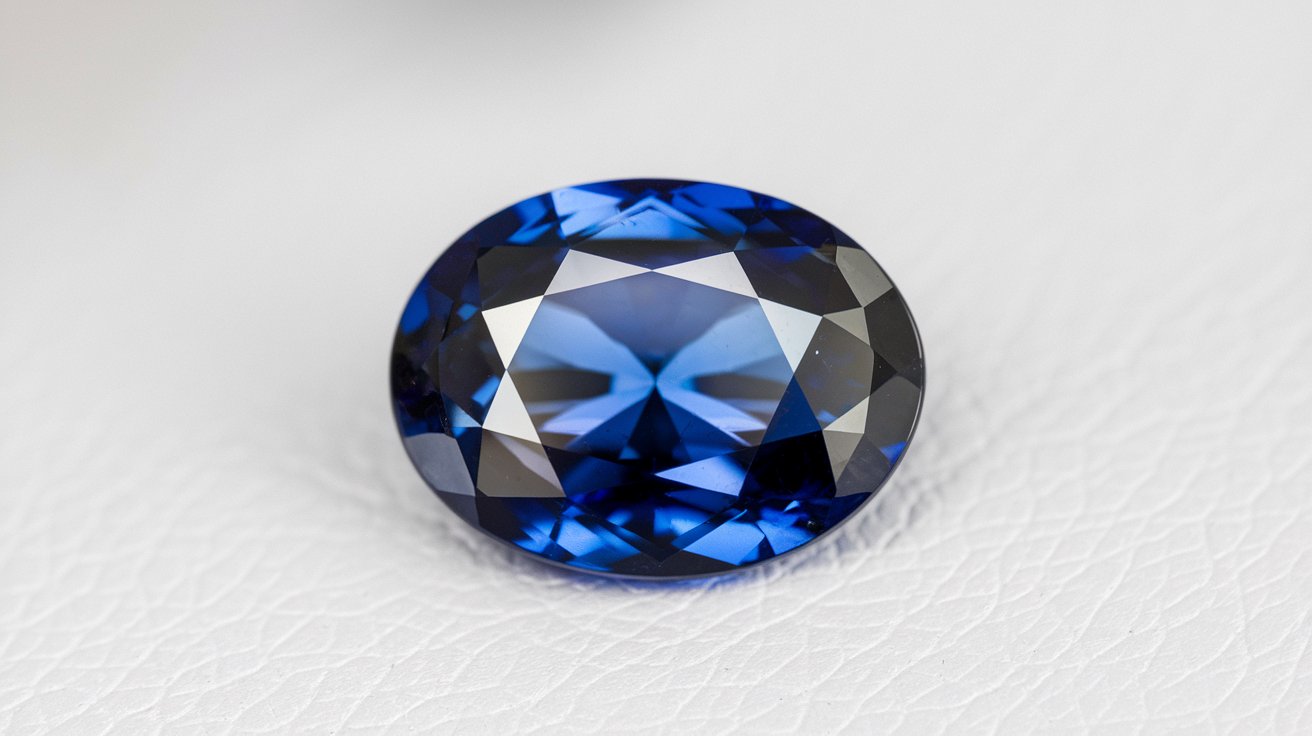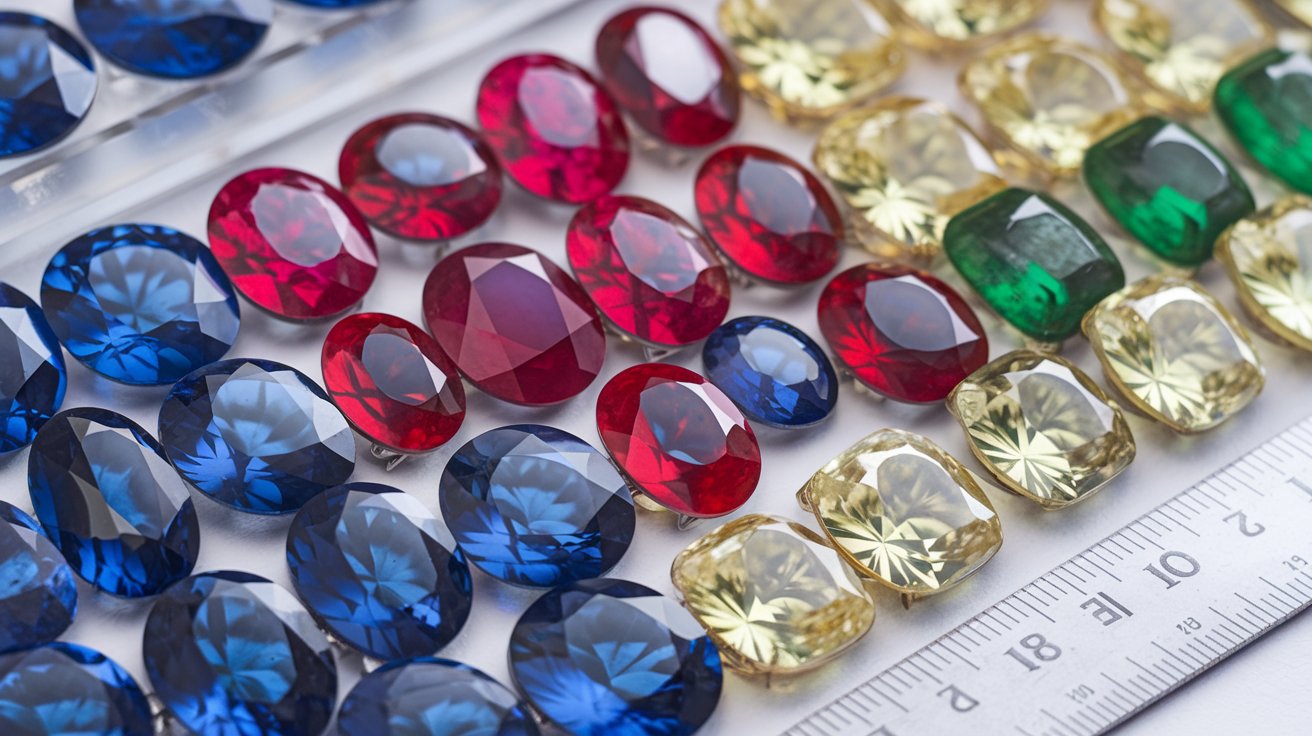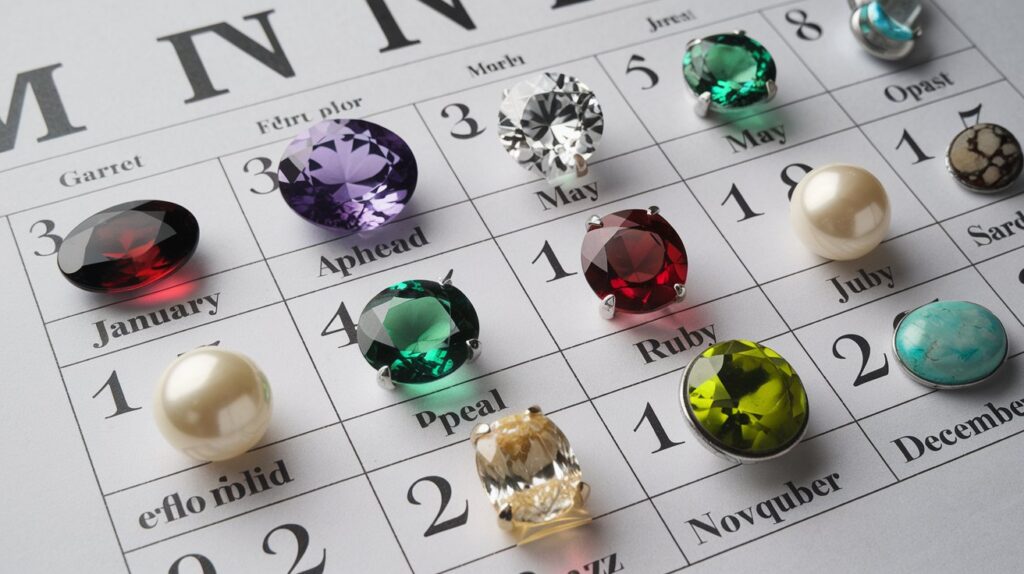
Understanding what are the birthstones by month helps you discover the perfect gemstone that represents your birth month and zodiac sign. Each month features traditional and modern birthstones with unique properties, meanings, and cultural significance. From January’s garnet to December’s turquoise, these precious gems have been cherished for centuries as symbols of protection, luck, and personal identity throughout the United States and worldwide.
Complete Birthstones Chart by Month in Order
The birthstones chart provides a systematic overview of gems assigned to each calendar month, featuring both traditional and modern selections. January begins with garnet, while February showcases amethyst, March presents aquamarine and bloodstone, and April features the coveted diamond. This standardized system helps jewelry enthusiasts, collectors, and gift-givers select appropriate stones based on birth months and personal preferences.
Understanding the birthstones by month in order requires knowledge of both historical traditions and contemporary gemological classifications. The American National Association of Jewelers updated the official list in 2016, adding spinel as August’s alternative to peridot, while maintaining classical selections like sapphire for September and opal for October. These monthly assignments create meaningful connections between individuals and their designated gemstones throughout their lives.
January Through June Birthstones
January through June birthstones encompass diverse gem families with distinct characteristics and cultural meanings. January’s garnet symbolizes friendship and trust, while February’s amethyst represents clarity and peace. March offers aquamarine for tranquility and bloodstone for courage, April presents diamond for strength and purity, May features emerald for rebirth and love, and June provides pearl, alexandrite, and moonstone for wisdom and intuition.
July Through December Birthstones
The latter half of the year presents equally magnificent birthstones by month selections with rich historical significance. July showcases ruby for passion and vitality, August offers peridot and spinel for protection and renewal, September features sapphire for wisdom and royalty, October provides opal and tourmaline for creativity and healing, November presents topaz and citrine for strength and abundance, while December concludes with turquoise, zircon, and tanzanite for success and prosperity.
Traditional Birthstones vs Modern Selections
Traditional birthstones trace their origins to ancient civilizations, biblical references, and historical gem trading practices across various cultures. These classical assignments often differed between societies, with Hebrew traditions emphasizing twelve stones from Aaron’s breastplate, while Hindu and Arabic cultures developed separate gemstone calendars. Modern standardization efforts by jewelry organizations created unified lists that balance historical significance with contemporary availability and market preferences.
The evolution from traditional to modern birthstones reflects changing gem accessibility, mining discoveries, and cultural shifts within the United States jewelry market. While traditional lists favored locally available stones or those with strong religious connections, modern versions incorporate newly discovered gems like tanzanite and synthetic alternatives. This progression ensures that birthstone traditions remain relevant and accessible to contemporary consumers while honoring historical foundations.
October Birthstone: Opal and Tourmaline Details
The October birthstone selection includes both opal and tourmaline, offering diverse options for those born in autumn’s peak month. Opal displays unique play-of-color phenomena with flashing rainbow hues, while tourmaline provides an extensive color spectrum from pink and green to rare Paraiba blue varieties. Both gems carry significant metaphysical properties, with opal representing creativity and inspiration, while tourmaline symbolizes healing and electrical energy balance.
Understanding what are the birthstones by month October requires appreciation for both gems’ geological formation and cultural significance. Australian opals dominate the global market with superior quality and fire patterns, while tourmaline sources span Brazil, Afghanistan, and Maine within the United States. These October selections provide versatile jewelry options suitable for both casual wear and formal occasions, making them popular choices among American consumers seeking meaningful birthstone jewelry.
Opal Varieties and Properties
Opal varieties include precious opal with play-of-color, fire opal with transparent orange-red body color, and common opal without optical phenomena. Australian black opal represents the most valuable variety, while Ethiopian opal offers affordable alternatives with striking patterns. Boulder opal combines opal layers with ironstone matrix, creating unique designer stones popular in contemporary American jewelry markets.
Tourmaline Color Spectrum
Tourmaline’s remarkable color spectrum encompasses virtually every hue imaginable, from colorless to deep black varieties. Pink and green tourmaline combinations create watermelon effects, while rare Paraiba tourmaline commands premium prices for its electric blue-green coloration. Chrome tourmaline rivals emerald in intensity, making it a sought-after alternative for October celebrants seeking vibrant green gemstones.
Zodiac Birthstones by Month and Date
Zodiac birthstones by month and date provide alternative gemstone selections based on astrological signs rather than calendar months alone. Aries (March 21-April 19) connects with diamond and bloodstone, Taurus (April 20-May 20) aligns with emerald and rose quartz, while Gemini (May 21-June 20) resonates with pearl and moonstone. This system offers more personalized gem selection based on specific birth dates and astrological influences.
The integration of birthstones by zodiac signs creates deeper spiritual connections between individuals and their chosen gems. Cancer (June 21-July 22) benefits from moonstone and pearl, Leo (July 23-August 22) thrives with ruby and peridot, and Virgo (August 23-September 22) connects with sapphire and carnelian. These astrological associations provide additional meaning layers beyond simple monthly assignments, appealing to those seeking metaphysical gem properties.
Fire Signs Birthstones
Fire signs birthstones complement the passionate and energetic nature of Aries, Leo, and Sagittarius personalities. Aries benefits from diamond’s strength and bloodstone’s courage, Leo thrives with ruby’s power and citrine’s confidence, while Sagittarius connects with turquoise’s wisdom and topaz’s truth. These selections enhance fire signs’ natural leadership qualities and adventurous spirits through complementary gemstone energies.
Water Signs Birthstones
Water signs embrace emotional and intuitive birthstones that support their sensitive and empathetic nature. Cancer connects deeply with moonstone’s feminine energy and pearl’s purity, Scorpio resonates with topaz’s intensity and opal’s mystery, while Pisces aligns with aquamarine’s tranquility and amethyst’s spiritual awareness. These gems enhance water signs’ natural psychic abilities and emotional intelligence.
Which Two Months Have Three Birthstones
The question which two months have three birthstones reveals June and December as the months offering the most gemstone variety. June features pearl, alexandrite, and moonstone as official selections, while December presents turquoise, zircon, and tanzanite options. This triple selection provides individuals born in these months with diverse choices matching different budgets, preferences, and style requirements across the American jewelry market.
Understanding three birthstones months helps explain the evolution of birthstone traditions and modern market demands. June’s variety reflects the historical significance of pearls, the rarity of alexandrite, and the mystical appeal of moonstone. December’s selection balances traditional turquoise with brilliant zircon and exotic tanzanite, ensuring options for every taste and budget range. These multiple choices accommodate individual preferences while maintaining traditional gemstone connections.
Lab-Grown vs Natural Birthstones
The question what gem cannot be lab grown primarily points to pearls, as they require living organisms for natural formation rather than laboratory synthesis. While synthetic pearl cultivation exists through mollusc farming, true laboratory creation remains impossible for authentic pearls. Other gems like diamond, ruby, sapphire, and emerald can be successfully synthesized using various technological methods including flux growth, hydrothermal processes, and chemical vapor deposition.
Modern lab-grown birthstones offer ethical and affordable alternatives to natural gems without compromising quality or beauty. Synthetic diamonds exhibit identical physical properties to mined stones, while lab-created emeralds often display superior clarity and color consistency. These technological advances provide environmentally conscious consumers with sustainable birthstone options that maintain traditional significance while addressing contemporary ethical concerns about mining practices.
Advantages of Lab-Grown Birthstones
Lab-grown birthstone advantages include consistent quality, ethical sourcing, and significant cost savings compared to natural alternatives. Synthetic gems eliminate concerns about conflict mining, environmental damage, and worker exploitation while providing guaranteed authenticity and superior clarity. American consumers increasingly choose lab-created options for engagement rings, birthstone jewelry, and heirloom pieces due to these compelling benefits.
Natural Birthstone Unique Qualities
Natural birthstone unique qualities include geological rarity, historical provenance, and distinctive inclusion patterns that create individual character in each stone. Earth-formed gems carry billions of years of geological history, making them irreplaceable natural artifacts with unique energy signatures. Many collectors and jewelry enthusiasts prefer natural stones for their authenticity, investment potential, and spiritual significance rooted in ancient earth processes.
Rarest Birthstones by Month Analysis
Determining what is the rarest birthstone of the month depends on factors including global availability, quality grades, and market demand across different months. Red beryl (bixbite) represents the rarest gemstone overall, though it’s not officially assigned to any month. Among official birthstones, high-quality jadeite for March, Padparadscha sapphire for September, and red diamond for April rank among the scarcest varieties available to American collectors.
The rarest birthstone analysis reveals fascinating patterns in gemstone scarcity and value appreciation. Alexandrite from Russia’s original Ural Mountain deposits commands premium prices due to extreme rarity, while Paraiba tourmaline from Brazil’s limited sources creates intense collector demand. These rare varieties often appreciate significantly in value, making them excellent investment choices for those seeking both beauty and financial growth potential in their birthstone selections.
Birthstone Meanings and Healing Properties
Traditional birthstone meanings encompass protection, luck, health, and spiritual enhancement properties passed down through generations. Ancient civilizations believed wearing appropriate monthly gems could ward off negative energy, promote healing, and attract prosperity. Modern crystal healing practitioners continue these traditions, attributing specific chakra alignments, emotional benefits, and physical healing properties to different birthstones throughout the yearly cycle.
Understanding birthstone healing properties provides insight into why certain gems became associated with specific months and zodiac signs. Garnet’s association with blood circulation made it January’s stone for new year vitality, while amethyst’s sobering effects suited February’s reflection period. These historical connections between gemstone properties and seasonal energies continue influencing contemporary birthstone selection and personal jewelry choices across American markets.
Related video about what are the birthstones by month
This video complements the article information with a practical visual demonstration.
Your questions answered
What are the 12 months of birthstones in order?
The 12 months of birthstones in order are: January (Garnet), February (Amethyst), March (Aquamarine/Bloodstone), April (Diamond), May (Emerald), June (Pearl/Alexandrite/Moonstone), July (Ruby), August (Peridot/Spinel), September (Sapphire), October (Opal/Tourmaline), November (Topaz/Citrine), and December (Turquoise/Zircon/Tanzanite). This standardized list was established by the American National Association of Jewelers.
Which gem cannot be lab grown?
Pearls cannot be truly lab grown since they require living molluscs for formation. While cultured pearls can be farmed using oysters and mussels, laboratory synthesis without biological processes remains impossible. Other organic gems like amber and coral also cannot be artificially created, though synthetic alternatives exist. Most crystalline gems including diamonds, rubies, sapphires, and emeralds can be successfully synthesized using various technological methods.
Which 2 months have three birthstones?
June and December are the two months that have three official birthstones each. June offers Pearl, Alexandrite, and Moonstone, while December provides Turquoise, Zircon, and Tanzanite. These multiple options give people born in these months greater variety in choosing gems that match their personal preferences, budget, and style requirements while maintaining traditional birthstone significance.
What is the rarest birthstone of the month?
Among official birthstones, Alexandrite (June) ranks as one of the rarest, especially stones from Russia’s original Ural Mountain deposits that display strong color change. Padparadscha sapphire (September), jadeite jade (March alternative), and red diamonds (April) also represent extremely rare birthstone varieties. Rarity depends on factors including geographic source, quality grade, and size, with some varieties appreciating significantly in value over time.
How do zodiac birthstones differ from monthly birthstones?
Zodiac birthstones align with astrological signs and specific date ranges rather than calendar months alone. For example, someone born on April 15th would have Diamond as their monthly birthstone but might choose Aries stones like Bloodstone or Red Jasper based on their zodiac sign. This system provides more personalized gem selection based on astrological influences and allows for deeper spiritual connections between individuals and their chosen stones.
Are traditional or modern birthstones better to choose?
The choice between traditional and modern birthstones depends on personal preference, cultural background, and intended use. Traditional stones often carry deeper historical significance and spiritual meaning, while modern alternatives may offer better availability, affordability, or color variety. Many people choose based on aesthetic appeal, budget constraints, or family traditions. Both systems maintain equal validity in contemporary jewelry practices across the United States market.
| Month | Primary Birthstone | Alternative Options | Key Properties |
|---|---|---|---|
| January | Garnet | Rose Quartz | Friendship, Trust, Protection |
| June | Pearl | Alexandrite, Moonstone | Wisdom, Purity, Intuition |
| October | Opal | Tourmaline | Creativity, Healing, Balance |
| December | Turquoise | Zircon, Tanzanite | Success, Prosperity, Wisdom |