Diamond carat weight is one of the four fundamental characteristics that determine a diamond’s value and price. In diamonds, carat refers to the precise weight measurement of the stone, with one carat equaling exactly 200 milligrams or 0.2 grams. Understanding diamond carat is essential for making informed purchasing decisions, as carat weight significantly impacts both the diamond’s appearance and cost in the United States jewelry market.
What Does Carat Mean in Diamonds
The term carat originates from the ancient practice of using carob seeds as a standard unit of weight for precious stones. Today’s diamond carat system is standardized globally, with each carat divided into 100 points for precise measurement. A 1 carat diamond weighs exactly 200 milligrams, making it the standard reference point for all diamond weight calculations. This measurement system ensures consistency across all diamond grading laboratories and jewelry retailers in the United States.
Diamond carat weight differs fundamentally from gold karat, which measures purity rather than weight. While gold uses karat to indicate the percentage of pure gold in an alloy, diamond carat exclusively measures the physical weight of the stone. Understanding this distinction is crucial when shopping for diamond jewelry, as many consumers initially confuse these two different measurement systems.
Diamond Carat Weight Scale
The diamond carat weight scale ranges from tiny accent stones weighing 0.01 carats to exceptionally rare stones exceeding 10 carats. Most engagement rings in the United States feature diamonds between 0.50 and 2.00 carats, with 1 carat being the most popular choice among American couples. Diamonds are measured to the nearest hundredth of a carat, ensuring precise pricing and accurate documentation for insurance and certification purposes.
Carat vs Points System
Each carat contains 100 points, allowing for detailed weight specifications. A 0.50 carat diamond is described as a 50-point stone, while a 0.75 carat diamond equals 75 points. This point system enables jewelers to price diamonds accurately and helps consumers understand subtle weight differences that significantly impact value. GIA certification uses this precise point system to document exact diamond weight measurements.
How Diamond Carat Affects Price and Value
Diamond carat weight has an exponential relationship with price rather than a linear one. A 2 carat diamond costs significantly more than twice the price of a 1 carat diamond of similar quality. In 2026, the average price per carat increases dramatically at certain weight thresholds, including 0.50, 1.00, 1.50, and 2.00 carats. These price jumps occur because larger diamonds are exponentially rarer in nature, making higher carat stones increasingly valuable.
The current United States diamond market shows that 1 carat diamond prices range from $4,000 to $25,000 depending on cut, color, clarity, and certification. A $10,000 engagement ring budget typically accommodates a 0.70 to 1.20 carat diamond, depending on the quality specifications chosen. Premium cuts and excellent clarity grades command higher prices per carat, while slight compromises in color or clarity can provide better carat weight within the same budget.
Carat Price Thresholds
Specific carat weight milestones create significant price increases due to psychological and market factors. Diamonds just under these thresholds, such as 0.90 or 1.90 carats, offer substantial savings while appearing nearly identical to full carat weights. Smart shoppers often choose these slightly smaller weights to maximize value without sacrificing visual impact in their engagement ring or jewelry piece.
Market Demand and Carat Premiums
The United States diamond market shows consistent demand for round numbers, with 1 carat diamonds commanding premium prices due to their symbolic significance. Market data from 2026 indicates that 0.95 carat diamonds cost approximately 15-20% less than 1.00 carat stones of identical quality. Understanding these market dynamics helps consumers make informed decisions about carat weight selection based on both budget and preferences.
Popular Diamond Carat Sizes
American consumers typically choose diamond carat sizes between 0.50 and 2.00 carats for engagement rings, with regional preferences varying across different states. Urban markets like New York and California show higher average carat weights compared to rural areas. The most popular choices include 0.75, 1.00, 1.25, and 1.50 carats, representing sweet spots between visual impact and affordability in today’s market.
Smaller carat diamonds between 0.25 and 0.50 carats work excellently for stacking rings, anniversary bands, and accent stones in complex settings. These sizes provide brilliant sparkle while maintaining affordability for multiple stone purchases. Larger stones exceeding 3 carats represent luxury purchases and investment pieces, often requiring custom settings and specialized security considerations for daily wear.
Understanding 24 Carat Diamond Confusion
The term 24 carat diamond creates significant confusion because it incorrectly mixes diamond weight terminology with gold purity measurements. No standard diamond grading system uses 24 carats as a weight measurement. When people reference 24 carat diamonds, they typically mean either 2.4 carat diamonds or they’re confusing gold karat purity with diamond carat weight. Authentic large diamonds exceeding 20 carats are extraordinarily rare and would be world-famous stones worth millions of dollars.
True large carat diamonds above 10 carats require extensive documentation, certification from multiple laboratories, and often have historical provenance. These exceptional stones appear in museum collections or belong to royalty and celebrities. For practical jewelry purposes, diamonds between 0.25 and 5.00 carats represent the accessible range for most American consumers in 2026.
Highest Carat Diamonds Ever Found
The highest carat diamond ever discovered is the Cullinan Diamond, which weighed an extraordinary 3,106 carats in its rough form. This legendary stone was found in South Africa in 1905 and was subsequently cut into multiple smaller diamonds, including the Great Star of Africa at 530.2 carats. Other famous large diamonds include the Lesedi La Rona at 1,109 carats and the Sewelô at 1,758 carats, both discovered in recent decades.
Modern diamond mining continues to uncover exceptional large carat stones, though they remain extraordinarily rare. The discovery of diamonds exceeding 100 carats makes international news due to their rarity and value. Most of these massive stones undergo careful analysis to determine optimal cutting strategies that maximize both beauty and total value from the original rough diamond.
Choosing the Right Carat Weight
Selecting the appropriate carat weight depends on personal preferences, budget constraints, lifestyle considerations, and setting design. Larger diamonds require more substantial settings and prong configurations to ensure security during daily wear. Active lifestyles may benefit from smaller, more secure diamond sizes, while special occasion jewelry can accommodate larger, more dramatic carat weights without practical concerns.
Consider the recipient’s hand size and personal style when choosing diamond carat weight for engagement rings. Larger hands can proportionally carry bigger diamonds, while petite hands may look overwhelmed by very large stones. The setting style also influences optimal carat weight, with solitaire settings showcasing individual diamonds beautifully, while halo settings can make smaller center stones appear larger through surrounding accent diamonds.
Budget Optimization Strategies
Maximizing carat weight within budget constraints requires strategic compromises in other diamond characteristics. Choosing slightly lower color grades or clarity levels can provide significantly larger diamonds without visible quality differences. Consider certified diamonds just below major weight thresholds to achieve better value while maintaining visual impact in your engagement ring or jewelry piece.
Setting Compatibility
Different jewelry settings accommodate various carat weights more effectively than others. Prong settings work well for larger stones, while bezel settings provide excellent security for active lifestyles regardless of diamond size. Vintage and antique settings may have specific size requirements that limit carat weight options, making it important to consider setting choice early in the selection process.
Diamond Carat Myths and Facts
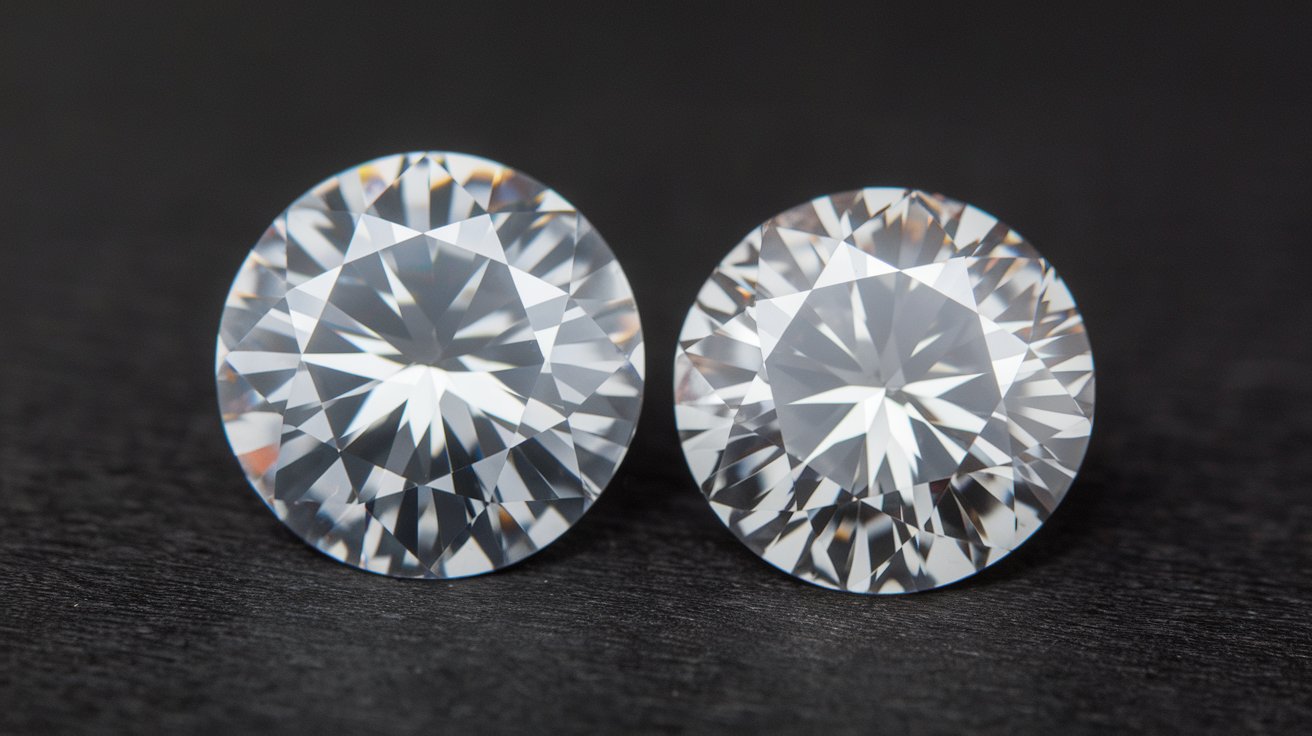
Bigger diamonds don’t always appear more brilliant or beautiful than smaller stones with superior cut quality. A well-cut 0.75 carat diamond can exhibit more fire and scintillation than a poorly cut 1.25 carat stone. Cut quality remains the primary factor influencing diamond beauty, while carat weight primarily affects size and price rather than optical performance.
Many consumers believe that higher carat automatically means better quality, but this represents a fundamental misunderstanding of diamond grading. The four Cs work together to determine overall diamond quality and beauty. A smaller, higher-quality diamond often provides better value and appearance than a larger stone with inferior cut, color, or clarity characteristics.
Related video about what does carat mean in diamonds
This video complements the article information with a practical visual demonstration.
FAQ – Common Questions
Is a higher carat diamond better?
Higher carat diamonds aren’t automatically better quality. While larger diamonds are rarer and more expensive, a smaller diamond with excellent cut, color, and clarity often appears more beautiful than a larger stone with poor characteristics. The best diamond balances carat weight with the other three Cs according to your preferences and budget.
How many carats is a $10,000 engagement ring?
A $10,000 budget typically accommodates a 0.70 to 1.20 carat diamond, depending on quality specifications. Higher quality grades result in smaller carat weights, while accepting slight compromises in color or clarity allows for larger stones. The exact carat weight depends on cut quality, certification, and current market conditions in 2026.
What is a 24 carat diamond?
The term ’24 carat diamond’ is technically incorrect and creates confusion. It likely refers to either a 2.4 carat diamond or confuses gold karat purity with diamond carat weight. True diamonds exceeding 20 carats are extraordinarily rare museum pieces worth millions of dollars, not available for typical jewelry purchases.
What does 1 carat diamond mean?
A 1 carat diamond weighs exactly 200 milligrams or 0.2 grams. This represents the standard reference point for diamond weight measurement, with the carat divided into 100 points for precise specification. One carat diamonds are the most popular choice for American engagement rings, offering an ideal balance of size, beauty, and value.
What is the difference between diamond carat and gold karat?
Diamond carat measures weight (200 milligrams per carat), while gold karat indicates purity percentage. Gold karat ranges from 10k to 24k, with 24k being pure gold. These are completely different measurement systems, and the terms should never be used interchangeably when discussing diamonds and gold jewelry.
Do larger carat diamonds always cost more?
Yes, larger carat diamonds cost exponentially more than smaller stones of similar quality. Price increases are not linear but dramatic at certain weight thresholds like 1.00, 1.50, and 2.00 carats. A 2 carat diamond costs much more than twice the price of a 1 carat stone due to rarity and market demand factors.
| Carat Weight | Typical Price Range 2026 | Best For |
|---|---|---|
| 0.25-0.50 ct | $500-$3,000 | Accent stones, stacking rings |
| 0.50-0.75 ct | $2,000-$8,000 | Budget-conscious shoppers |
| 1.00 ct | $4,000-$25,000 | Classic engagement rings |
| 1.50-2.00 ct | $12,000-$75,000 | Luxury purchases |
| 3.00+ ct | $50,000+ | Investment pieces |