Purchasing fine jewelry represents one of life’s most significant investments, often carrying both emotional and financial weight. With the US fine jewelry market reaching $82.3 billion in 2026, understanding what to know before buying fine jewelry has become crucial for making informed decisions that ensure both quality and value retention.
Understanding Fine Jewelry Quality and Grading
The foundation of smart fine jewelry buying begins with understanding quality standards and grading systems. In 2026, technological advances have made quality assessment more precise, with digital certification becoming the industry standard across the United States. Professional grading provides objective evaluation of gemstones and precious metals, ensuring transparency in pricing and authenticity.
Quality grading encompasses multiple factors including gemstone characteristics, metal purity, craftsmanship standards, and overall design integrity. The jewelry industry now utilizes advanced spectroscopy and AI-powered analysis to provide more accurate assessments, making it easier for consumers to understand exactly what they’re purchasing and why certain pieces command premium prices.
The 4 Cs of Diamond Evaluation
Diamond evaluation relies on the fundamental 4 Cs framework: Cut, Color, Clarity, and Carat weight. Cut quality affects light performance and brilliance, with excellent cuts commanding 15-20% premiums in 2026 markets. Color grades range from D (colorless) to Z (light yellow), with near-colorless G-H grades offering optimal value propositions for most buyers. Clarity measures internal inclusions and external blemishes, while carat weight determines size, though cut quality significantly impacts visual appearance regardless of size.
Beyond Diamonds: Colored Gemstone Assessment
Colored gemstones follow different evaluation criteria, focusing primarily on color saturation, tone, and hue distribution. Precious gemstones like rubies, sapphires, and emeralds require specialized knowledge of origin, treatment methods, and rarity factors. In 2026, untreated natural stones command significant premiums, with prices increasing 25-40% annually for top-quality specimens. Understanding treatment disclosures helps buyers make informed decisions about long-term value and authenticity.
Precious Metals and Alloy Compositions
Precious metals form the foundation of fine jewelry, with gold, platinum, and silver representing the primary options available in US markets during 2026. Gold purity is measured in karats, with 18k (75% pure) and 14k (58.3% pure) offering optimal durability for everyday wear. Platinum commands premium pricing due to its rarity and hypoallergenic properties, making it ideal for engagement rings and wedding bands.
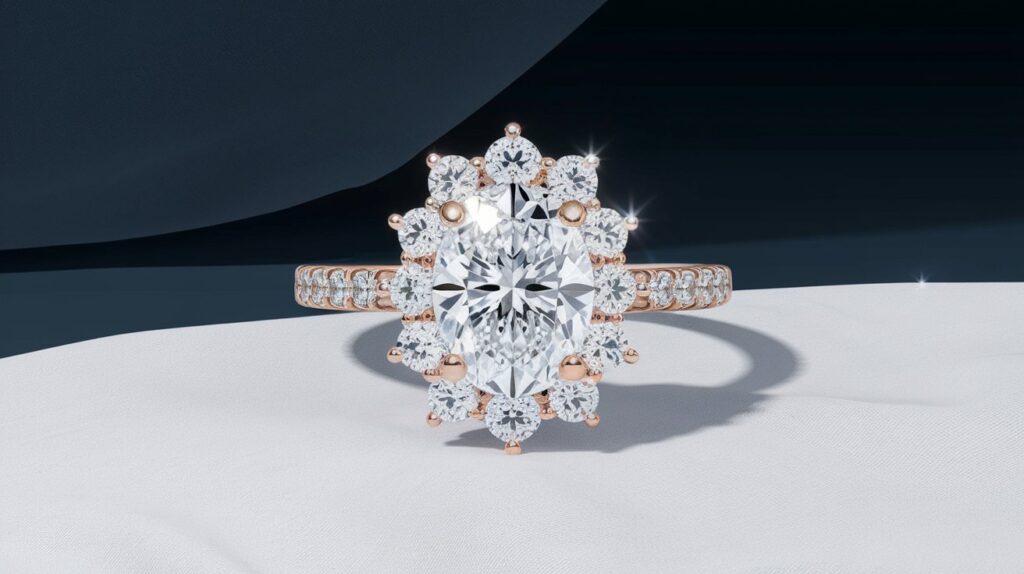
Alloy compositions significantly impact both appearance and performance characteristics. White gold requires rhodium plating for color consistency, necessitating periodic maintenance every 12-18 months. Rose gold’s copper content provides warm coloring but may cause allergic reactions in sensitive individuals. Understanding metal properties helps buyers select appropriate options based on lifestyle, skin sensitivity, and maintenance preferences.
Setting Realistic Jewelry Budgets
Establishing appropriate budgets requires understanding both immediate costs and long-term value considerations. The traditional 2:1:1 rule in jewelry suggests allocating two months’ salary for engagement rings, though modern approaches emphasize personal financial comfort over arbitrary guidelines. In 2026, average engagement ring spending in the US ranges from $4,200 to $7,800, with significant regional variations based on local economic conditions.
Budget planning should encompass initial purchase price, insurance costs, maintenance expenses, and potential resizing or repair needs. Fine jewelry worth extends beyond monetary value to include emotional significance and heirloom potential. Quality pieces from reputable designers typically retain 60-80% of original value, while mass-market alternatives may depreciate significantly over time.
Insurance and Protection Planning
Comprehensive insurance coverage protects against loss, theft, and damage while providing peace of mind for valuable pieces. Jewelry insurance costs typically range from 1-3% of appraised value annually, with specialized policies offering broader coverage than standard homeowners insurance. Professional appraisals should be updated every 3-5 years to reflect current market values and ensure adequate coverage levels.
Financing Options and Payment Plans
Modern jewelry financing options include zero-interest payment plans, personal loans, and specialized jewelry credit programs. Many retailers offer 6-24 month payment plans without interest charges, making luxury purchases more accessible. Understanding terms, conditions, and potential penalties helps buyers avoid financial complications while acquiring desired pieces within budget constraints.
Style Selection and Personal Preferences
Choosing appropriate styles requires balancing personal taste, lifestyle considerations, and long-term wearability factors. Classic designs like solitaire settings, tennis bracelets, and pearl strands maintain enduring appeal and versatility across changing fashion trends. Contemporary styles offer unique aesthetic appeal but may experience faster obsolescence, affecting resale value and long-term satisfaction.
Style selection should consider daily activities, professional requirements, and maintenance capabilities. Intricate designs with multiple prongs or delicate settings require more careful handling and frequent professional cleaning. Understanding how design elements impact durability helps buyers select pieces appropriate for their intended use patterns and lifestyle demands.
Certification and Authentication Requirements
Professional certification provides independent verification of gemstone quality, metal purity, and authenticity claims. Leading certification bodies including GIA, AGS, and Gübelin offer internationally recognized grading services with standardized criteria and terminology. Certification importance extends beyond quality assurance to include insurance requirements, resale value, and consumer protection benefits.
Digital certification has revolutionized authentication processes in 2026, with blockchain technology providing tamper-proof documentation and ownership tracking. QR codes and digital certificates offer instant access to detailed grading reports, treatment disclosures, and provenance information. Understanding certification standards helps buyers differentiate between legitimate documentation and promotional materials that lack independent verification.
Ethical Sourcing and Conflict-Free Standards
Ethical sourcing has become increasingly important for conscious consumers, with strict standards governing diamond and gemstone procurement. The Kimberley Process provides framework for conflict-free diamond certification, while additional protocols address environmental and labor concerns. Responsible sourcing documentation should accompany all fine jewelry purchases to ensure compliance with ethical standards.
Laboratory-Created vs Natural Gemstones
Laboratory-created gemstones offer identical physical and chemical properties to natural stones at significantly reduced costs. Lab-created diamonds typically cost 60-80% less than natural equivalents while providing superior clarity and color consistency. Understanding the differences, benefits, and value propositions helps buyers make informed decisions based on personal priorities and budget considerations.
Professional Care and Maintenance Guidelines
Proper maintenance ensures longevity, performance, and appearance preservation for fine jewelry investments. Professional cleaning every 6-12 months removes accumulated oils, cosmetics, and environmental contaminants that can dull gemstone brilliance and weaken metal structures. Jewelry care routines should include daily removal before swimming, exercising, or performing manual tasks that could cause damage.
Storage solutions play crucial roles in preventing scratches, tarnishing, and accidental damage. Individual compartments or soft pouches protect pieces from contact with other jewelry, while controlled humidity environments prevent metal deterioration. Understanding specific care requirements for different gemstones and metals helps maintain optimal condition and extends service life significantly.
Selecting Reputable Jewelry Retailers
Retailer reputation directly impacts purchase experience, product quality, and after-sale support services. Established jewelers with decades of experience typically offer superior expertise, authentic products, and comprehensive warranties. Reputable jewelers provide detailed product information, professional fitting services, and ongoing maintenance support that enhances ownership experience and protects investment value.
Online retailers have expanded access to fine jewelry while introducing new considerations for quality verification and return policies. Researching seller credentials, reading customer reviews, and understanding return procedures helps minimize risks associated with remote purchasing. Physical inspection remains preferable for significant investments, though advanced photography and detailed specifications can facilitate informed online decisions.
Custom Design and Personalization Services
Custom jewelry design offers unique personalization opportunities while ensuring perfect fit and individual style expression. Working with skilled designers allows incorporation of specific gemstones, family heirlooms, or meaningful symbols into original creations. Understanding design timelines, revision processes, and final approval procedures helps ensure successful outcomes that meet expectations and timeline requirements.
Warranty and Repair Service Availability
Comprehensive warranties protect against manufacturing defects while providing access to professional repair services when needed. Jewelry warranties typically cover workmanship issues for 12-24 months but exclude damage from normal wear or accidents. Understanding coverage limitations, service procedures, and authorized repair facilities ensures prompt resolution of any issues that may arise during ownership.
Return Policies and Exchange Options
Flexible return policies provide security and confidence for significant jewelry purchases, especially for gifts or pieces purchased without prior inspection. Return policies vary significantly between retailers, with some offering 30-90 day satisfaction guarantees while others maintain strict no-return policies for custom or engraved items. Understanding specific terms, conditions, and requirements helps avoid complications if returns become necessary.
Exchange options provide flexibility for size adjustments, style preferences, or gift considerations. Many retailers offer favorable exchange terms within specified timeframes, though custom pieces typically have limited exchange availability. Reviewing policy details before purchase helps establish realistic expectations and ensures satisfactory resolution of any post-purchase concerns that may develop.
Optimal Purchase Timing and Market Trends
Strategic timing can significantly impact pricing and selection availability for fine jewelry purchases. Traditional peak seasons including Valentine’s Day, Mother’s Day, and December holidays often feature limited inventory and premium pricing. Timing purchases during off-peak periods like January, February, or August typically provides better selection, personalized service, and potential cost savings through promotional offers.
Market trends influence both pricing and style availability throughout the year. In 2026, sustainable jewelry and vintage-inspired designs continue gaining popularity while traditional styles maintain steady demand. Understanding seasonal patterns, inventory cycles, and promotional calendars helps buyers optimize both selection and value for their fine jewelry investments.
Related video about what to know before buying fine jewelry
This video complements the article information with a practical visual demonstration.
What you should know
What is the 2:1:1 rule in jewelry purchasing?
The 2:1:1 rule suggests spending two months’ salary on an engagement ring, though this guideline has evolved significantly. Modern approaches emphasize personal financial comfort and individual circumstances over arbitrary spending formulas. In 2026, couples increasingly focus on finding meaningful pieces within their specific budget constraints rather than following traditional percentage-based recommendations.
What are the 5 C’s of jewelry evaluation?
The 5 C’s expand the traditional 4 C’s (Cut, Color, Clarity, Carat) to include Certification as the fifth element. Certification provides independent verification of quality claims and serves as crucial documentation for insurance, resale, and authenticity purposes. Professional certification from recognized laboratories ensures transparent evaluation and protects consumer interests throughout the ownership experience.
Is buying fine jewelry worth the investment in 2026?
Fine jewelry remains worthwhile for many buyers due to emotional significance, craftsmanship appreciation, and reasonable value retention. Quality pieces from reputable sources typically retain 60-80% of original value while providing decades of enjoyment. However, jewelry should primarily be viewed as a personal luxury rather than a financial investment, with any value appreciation considered a secondary benefit.
What are the most important factors when choosing between natural and lab-created gems?
Key considerations include budget constraints, personal values regarding natural formation, and long-term value expectations. Lab-created gems offer identical beauty at 60-80% cost savings with superior clarity and ethical sourcing guarantees. Natural gems provide traditional appeal and potentially better value retention but require careful sourcing verification and command premium pricing for equivalent quality grades.
How often should fine jewelry be professionally serviced?
Professional maintenance every 6-12 months ensures optimal performance and longevity for fine jewelry pieces. Regular service includes professional cleaning, prong inspection, clasp adjustment, and general condition assessment. More frequent service may be necessary for pieces worn daily or exposed to harsh conditions, while occasional-wear jewelry may require less frequent professional attention.
What insurance coverage is recommended for fine jewelry?
Specialized jewelry insurance providing coverage for loss, theft, and damage typically costs 1-3% of appraised value annually. Coverage should include full replacement value, mysterious disappearance protection, and worldwide coverage for travel situations. Professional appraisals every 3-5 years ensure adequate coverage levels as market values fluctuate over time.
| Key Consideration | Critical Details | Consumer Benefit |
|---|---|---|
| Quality Certification | Independent grading from GIA, AGS, or equivalent | Verified authenticity and value protection |
| Metal Purity | 14k-18k gold or platinum for durability | Long-term wear resistance and value retention |
| Retailer Reputation | Established dealers with service guarantees | Professional expertise and ongoing support |
| Insurance Coverage | Specialized policies covering full replacement | Complete financial protection and peace of mind |
| Maintenance Planning | Regular professional cleaning and inspection | Preserved beauty and extended lifespan |